ESG Training
ESG Training
ESG Training: Why Environmental, Social and Governance Skills Matter for Modern Organisations
Environmental, Social, and Governance (ESG) has become one of the most important frameworks shaping how organisations operate, report, and compete globally. As investors, regulators, customers, and employees demand more transparency and responsible business practices, companies across Africa — including Nigeria, South Africa, Kenya, and Ghana — are rapidly adopting to build internal capability.
According to PwC Africa, 83% of African CEOs say sustainability and ESG capability will directly influence business survival over the next five years. This shift has created a massive demand for ESG skills, ESG certification, ESG compliance training, and ESG reporting knowledge across industries.
What Is ESG Training?
ESG Training equips employees, managers, and executives with the knowledge and skills needed to integrate sustainability, ethical governance, and social responsibility into business operations. It covers:
In today’s competitive landscape, training is vital for enhancing organisational resilience and adaptability.
- Environmental management
- Social impact and labour practices
- Governance, ethics, and compliance
- ESG reporting and disclosure
- Sustainable procurement
- Climate risk and sustainability strategy
Companies that invest in ESG capability gain a competitive advantage, reduce risk, and improve long‑term performance.
Why ESG Training Matters in 2026
1. ESG Is Now a Business Requirement
Global research shows that over 90% of investors consider ESG performance when evaluating companies. Organisations that fail to meet ESG expectations risk losing investment, customers, and partnerships.
2. Regulatory Pressure Is Increasing
Countries across Africa are adopting ESG‑aligned regulations:
- South Africa’s King IV
- Nigeria’s SEC Sustainability Disclosure Guidelines
- Kenya’s ESG reporting requirements for listed companies
This makes ESG compliance training essential.
3. ESG Skills Improve Employability
Professionals with ESG knowledge earn 20–40% higher salaries in sustainability, procurement, supply chain, and governance roles.
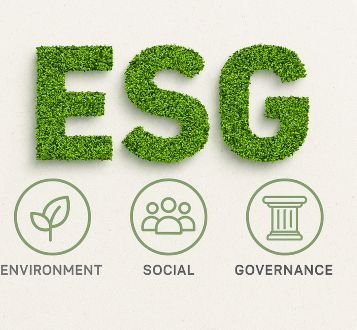
Key Components of ESG Training
Environmental (E)
- Climate change awareness
- Carbon footprint reduction
- Waste and energy management
- Environmental risk assessment
Social (S)
- Labour standards
- Diversity, equity, and inclusion
- Community impact
- Human rights in supply chains
Governance (G)
- Ethical leadership
- Anti‑corruption
- Board governance
- Compliance and reporting
Benefits of ESG Training for Organisations
1. Stronger Brand Reputation
Companies with strong ESG practices attract more customers and investors.
2. Reduced Operational Risk
ESG‑trained teams can identify and mitigate environmental and social risks early.
3. Improved Supply Chain Performance
Sustainable procurement reduces supplier risks and improves transparency.
4. Better Access to Funding
Financial institutions increasingly require ESG compliance for loans and investment.
5. Increased Employee Engagement
Research shows that 70% of employees prefer working for companies with strong ESG values.
8 Frequently Asked Questions (FAQ)
1. What is ESG training?
ESG training teaches employees how to integrate environmental, social, and governance principles into business operations, reporting, and decision‑making.
2. Who needs ESG training?
Managers, procurement teams, HR, compliance officers, executives, and anyone involved in sustainability, governance, or supply chain operations.
3. Is ESG training important for African organisations?
Yes. With rising regulations and investor expectations, ESG capability is now essential for competitiveness in Africa’s business landscape.
4. How long does ESG training take?
Most ESG courses range from 1‑day workshops to 4‑week certification programmes, depending on depth and organisational needs.
5. Does ESG training improve career opportunities?
Absolutely. ESG‑skilled professionals are in high demand and often earn higher salaries in sustainability, procurement, and governance roles.
6. What industries benefit most from ESG training?
Oil & gas, finance, manufacturing, telecoms, logistics, retail, and public sector organisations benefit significantly from ESG capability.
7. Is ESG training required for compliance?
In many countries, yes. ESG reporting and sustainability disclosures are becoming mandatory for listed companies and regulated industries.
8. Can ESG training improve supply chain performance?
Yes. ESG training helps organisations build ethical, transparent, and sustainable supply chains, reducing risk and improving supplier performance.
ESG Training – Environmental, Social and Governance Skills for Organisations

ESG Training helps organisations understand and apply Environmental, Social and Governance principles to improve sustainability, compliance, and long‑term business performance. The programme equips employees and leaders with practical skills to manage environmental impact, strengthen social responsibility, and implement effective governance practices aligned with global standards. This training supports South African organisations in meeting regulatory expectations, reducing operational risks, and building transparent, ethical business practices. Through real‑world examples, case studies, and interactive learning, participants gain the knowledge needed to integrate ESG into strategy, reporting, procurement, and daily operations.
Course Provider: Organization
Course Provider Name: ESG Training/ ESG Workshop
Course Provider URL: www.scmerpsm.com
Course Mode: Blended
Course Workload: The ESG Training programme is designed to provide practical, actionable knowledge that employees and leaders can apply immediately within their organisations. The workload combines guided instruction, real‑world case studies, and hands‑on activities to ensure participants fully understand Environmental, Social and Governance principles. Typical course workload includes: 3–5 hours of instructor‑led training delivered online or in‑person Interactive modules covering environmental impact, social responsibility, and governance frameworks Case studies and scenario‑based exercises to apply ESG concepts to real business situations Short quizzes and knowledge checks to reinforce learning Practical activities such as risk assessments, stakeholder mapping, and sustainability planning Optional extended modules for ESG reporting, procurement integration, and compliance teams Most organisations complete the core ESG Training within half a day, with optional advanced sessions available for teams responsible for sustainability, compliance, procurement, and governance.
Duration: 1 Week
Repeat Count: 0.02
Repeat Frequency: Yearly
ESG Training – Environmental, Social and Governance Skills for Organisations

ESG Training helps organisations understand and apply Environmental, Social and Governance principles to improve sustainability, compliance, and long‑term business performance. The programme equips employees and leaders with practical skills to manage environmental impact, strengthen social responsibility, and implement effective governance practices aligned with global standards. This training supports South African organisations in meeting regulatory expectations, reducing operational risks, and building transparent, ethical business practices. Through real‑world examples, case studies, and interactive learning, participants gain the knowledge needed to integrate ESG into strategy, reporting, procurement, and daily operations.
Course Provider: Organization
Course Provider Name: ESG Training/ ESG Workshop
Course Provider URL: www.scmerpsm.com
Course Mode: Blended
Course Workload: The ESG Training programme is designed to provide practical, actionable knowledge that employees and leaders can apply immediately within their organisations. The workload combines guided instruction, real‑world case studies, and hands‑on activities to ensure participants fully understand Environmental, Social and Governance principles. Typical course workload includes: 3–5 hours of instructor‑led training delivered online or in‑person Interactive modules covering environmental impact, social responsibility, and governance frameworks Case studies and scenario‑based exercises to apply ESG concepts to real business situations Short quizzes and knowledge checks to reinforce learning Practical activities such as risk assessments, stakeholder mapping, and sustainability planning Optional extended modules for ESG reporting, procurement integration, and compliance teams Most organisations complete the core ESG Training within half a day, with optional advanced sessions available for teams responsible for sustainability, compliance, procurement, and governance.
Duration: 2 Weeks