Supply Chain Management Courses
Supply Chain Management Courses
Supply chain management courses teach how goods, information, and money move from suppliers to customers. These courses help professionals understand logistics, procurement, planning, and operations in today’s global and local business environment.
In South Africa, supply chain management courses are popular among students, working professionals, and managers looking to improve efficiency, reduce costs, and build strong supplier networks.
What Are Supply Chain Management Courses?
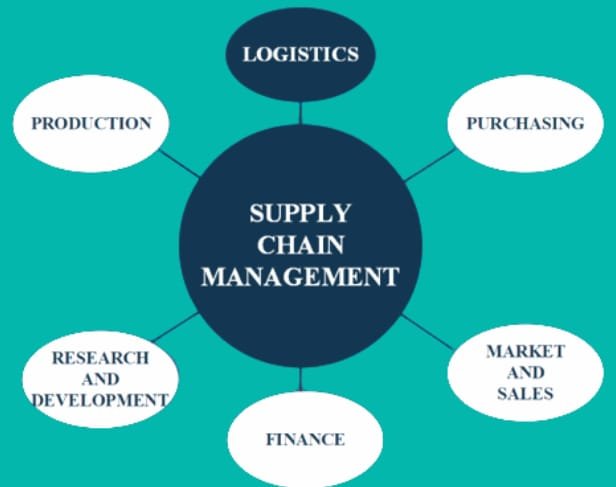
Supply chain management courses are professional and academic programs that teach how to plan, manage, and improve the flow of goods and services. They cover areas such as logistics, inventory management, sourcing, transportation, and supplier relationships.
These courses help learners understand real business challenges and how supply chains support organizational success.
Who Should Study Supply Chain Management?
Supply chain management courses are suitable for:
Students starting a career in supply chain or logistics
Procurement and purchasing professionals
Operations and warehouse staff
Supply chain and logistics managers
Business owners and public sector professionals
What Do You Learn in Supply Chain Management Courses?
Most supply chain management courses help learners develop the competencies and operational understanding needed for supply chain roles. Key topics and processes typically include:
Logistics and transportation management
Inventory and warehouse control, where inventory management improves customer service and reduces costs
Supply chain planning and forecasting, including demand forecasting to anticipate market demand and reduce waste
Procurement and sourcing strategies, including activities to identify vendors and support contract negotiation
Supplier relationship management, including supplier performance management and vendor risk management
Production management, with a focus on quality control and optimizing production costs
Lean and Six Sigma concepts as core practices taught in many courses
Cost control and operational efficiency, with tools to enhance decision-making, improve efficiency, and support resilience through risk management strategies
Returns management, including product returns and recycling
Types of Supply Chain Management Courses
Higher Certificate and Diploma Courses
Certificate and diploma programs focus on practical supply chain skills. A higher certificate is a structured programme in higher education, not just a short course, and can suit beginners or professionals looking to upskill quickly. Some options carry 128 credits, are registered on the National Qualifications Framework at NQF Level 5, and may be accredited by the HEQC. Successful completion can provide access to further study and help you progress, and some providers allow students to register throughout the year.
Degree and Postgraduate Programs
Degree and postgraduate programs provide deeper knowledge in supply chain strategy, analytics, and leadership. These are suitable for long-term career growth.
Are Supply Chain Management Courses Available Online?
Yes. Many supply chain management courses are available online, allowing South African learners to study at their own pace. Online courses often include video lessons, case studies, assignments, and practical projects.
What Is Included in a Supply Chain Management Specialization?
A supply chain management specialization usually includes courses in:
Shipping and logistics, where logistics management is essential for safe, on-time delivery and collaboration across stakeholders involved in transport and distribution
Operations and process optimization, with a focus on supply chain operations, core systems, and analytics that improve real-time visibility and data-driven decisions for efficient supply chains
Planning and demand forecasting, where understanding digital technologies is increasingly vital, and emerging tools like AI and IoT shape forecasting and broader planning decisions
Sourcing and supplier management, covering vendor identification, contract negotiation, supplier performance management, regular vendor risk assessments, and transparency in supplier relationships to support cost control, customer satisfaction, and quality
Responsible procurement also covers ethical sourcing, compliance, fair labor practices, support for local economies, and reduced environmental impact.
Learners often complete a practical project or strategy assignment to apply best practices to warehousing, sourcing decisions, and related business scenarios.
What Careers Can You Pursue After Supply Chain Management Courses?
After completing supply chain management courses, learners and graduates can work as:
Supply Chain Analyst
Logistics Coordinator
Procurement Officer
Inventory Planner
Operations Manager
Supply Chain Manager
These courses prepare professionals for roles such as analyst and manager, and these positions support business performance across sectors while requiring professionals to adapt to economic and environmental disruptions.
Why Study Supply Chain Management in South Africa?
Efficient supply chains are essential to each organisation in South Africa because they reduce costs and improve customer satisfaction, due to:
Growing trade and logistics networks
Public and private sector procurement needs
Increased focus on efficiency and cost control
Global supply chain disruptions
Professionals with supply chain training are highly valued by employers, and these skills help organisations build stronger and more efficient supply chains.
Do Supply Chain Management Courses Offer Certification?
Yes. Most programs provide a certificate or qualification after completion, and depending on the provider, it may be accredited and formally registered. Some qualifications list a SAQA ID and are recognized by the South African Qualifications Authority within the department-regulated higher education environment. These certificates can be shared with employers and used to support career progression.
Conclusion
Supply chain management courses provide the knowledge and skills needed to manage logistics, procurement, and operations effectively. Whether you are starting your career or advancing professionally, these courses offer practical value and long-term career benefits in South Africa’s evolving business landscape. Entry requirements for formal programmes may, for example, include a national senior certificate, an older senior certificate, or a national certificate vocational credential, depending on the institution. Credit loads also vary by provider; for example, a vocational Higher Certificate in Logistics may carry 120 credits in some cases, while others require a minimum of 124 credits.
Related Posts

Is Supply Chain Management a Good Career Choice for Students?



Cybersecurity in Supply Chain Management
Search
Categories
Latest Posts

CIPS November 2026 Exam Series: What You Need to Know
September 19, 2026
Is Supply Chain Management a Good Career Choice for Students?
September 11, 2026
Popular Tags