Supply Chain Management Courses in South Africa – Learn Procurement, Logistics & Operations

Supply chain management training advertisement
Uncategorized

Supply Chain Management Courses in South Africa – Learn Procurement, Logistics & Operations
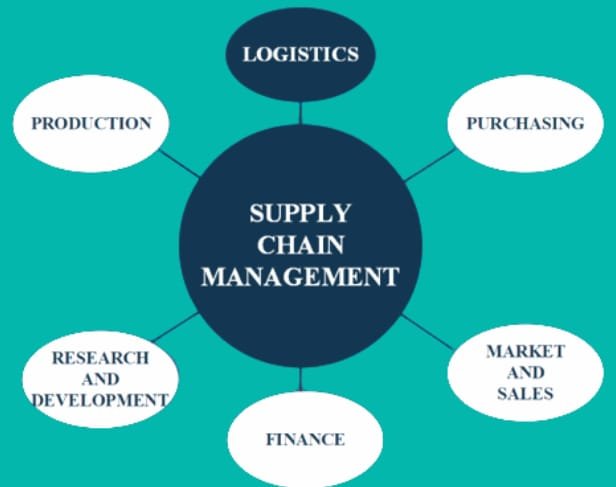
In today’s global economy, Supply Chain Management (SCM) is the engine that drives efficiency, profitability, and sustainability. Whether you’re a corporate professional, entrepreneur, or student, enrolling in a Supply Chain Management Course at SCM ERPSM Training Centre helps you master procurement, logistics, and operations — the pillars of modern business success. We also offer specialized Supply Chain Management Courses designed to enhance your skills in these critical areas. By joining our Supply Chain Management Courses, you will gain insights into the intricate workings of supply chains, learn about the latest industry trends, and develop strategies to improve supply chain performance, which are essential in today’s competitive landscape.
Why Supply Chain Management Matters

Understanding the significance of effective supply chain management can greatly enhance business operations. By streamlining processes and fostering strong relationships with suppliers, businesses can reduce costs and improve service levels. For instance, companies like Amazon have revolutionized logistics through their innovative supply chain techniques, which emphasize speed and customer satisfaction. This practical application of supply chain principles demonstrates the critical need for skilled professionals who understand these dynamics.

Every product you buy — from smartphones to groceries — passes through a complex supply chain. Managing that chain effectively ensures cost savings, timely delivery, and customer satisfaction. In addition, a well-structured supply chain can respond swiftly to market changes, adapting to consumer demand and minimizing disruptions. For example, during the COVID-19 pandemic, companies with agile supply chains were better positioned to navigate challenges, ensuring that essential goods reached consumers without significant delays.

In addition to the aforementioned benefits, understanding Supply Chain Management Courses can open up numerous career opportunities in various sectors, allowing you to leverage your skills in a dynamic job market.

Many of our graduates have successfully transitioned into roles as specialists in Supply Chain Management Courses, contributing to innovative solutions and strategies that drive efficiency.

The emphasis on sustainability in Supply Chain Management Courses is reshaping how professionals approach their work, ensuring that they are equipped to meet both economic and environmental challenges.

With our Supply Chain Management Courses, you will not only learn the fundamentals but also engage with advanced topics that are crucial for the future of the industry.

The integration of real-world scenarios in our Supply Chain Management Courses prepares you to tackle the challenges faced by professionals today.

Moreover, our Supply Chain Management Courses include valuable networking opportunities that connect you with experts from the field.

These Supply Chain Management Courses will equip you with skills that are in high demand across various sectors.

SCM professionals are in high demand across Africa, especially in industries like manufacturing, retail, and logistics. With global disruptions and digital transformation reshaping trade, skilled supply chain managers are essential for resilience and growth. The ability to analyze data, implement technology solutions, and optimize operations is increasingly critical, as organizations seek to leverage supply chain efficiencies to gain a competitive edge.

Moreover, companies are increasingly focusing on sustainability within their supply chains. Environmental concerns and consumer preferences are driving a shift towards greener practices, which include reducing waste and carbon emissions. SCM professionals equipped with knowledge in sustainable supply chain practices play a vital role in this transition, ensuring that businesses not only succeed economically but also contribute positively to society and the environment.

What You’ll Learn in SCMERPSM’s Supply Chain Management Courses

In addition to procurement and vendor management, our courses emphasize the importance of technology in supply chain operations. Emerging technologies like blockchain and artificial intelligence are transforming how supply chains are managed. Understanding these innovations can give you a significant advantage in the job market, as employers increasingly seek candidates who can integrate new technologies to optimize supply chain processes.

Our courses combine academic theory and real‑world practice, preparing learners for corporate and entrepreneurial success. Participants will engage in hands-on projects, case studies, and simulations that mirror real-world scenarios. This experiential learning approach ensures that students develop the skills necessary to tackle the complexities of supply chains effectively. You will also benefit from networking opportunities with industry professionals, enhancing your learning experience and career prospects.

1. Procurement & Vendor Management

  • Strategic sourcing and supplier evaluation.
  • Contract negotiation and ethical procurement.
  • Vendor risk management and compliance.

2. Logistics & Operations

Logistics is a critical component of supply chain management. It involves the coordination of transportation, warehousing, and inventory management. In our courses, you will learn how to implement logistics strategies that minimize costs while maximizing efficiency. For example, by utilizing advanced forecasting techniques, businesses can better manage inventory levels, reducing the risk of overstocking or stockouts, which directly impacts customer satisfaction.

Understanding the key principles taught in Supply Chain Management Courses is vital for any aspiring professional in this field.

As the logistics landscape evolves, our Supply Chain Management Courses are designed to keep you ahead of emerging trends.

Our comprehensive Supply Chain Management Courses also focus on analytics, ensuring you can make data-driven decisions.

  • Inventory control and warehouse optimization.
  • Transportation planning and cost reduction.
  • ERP integration for real‑time visibility.

Participating in our Supply Chain Management Courses can significantly boost your employability in a competitive landscape.

Our Supply Chain Management Courses are structured to meet the demands of the modern workforce, integrating practical skills with academic knowledge.

Through our Supply Chain Management Courses, you will understand how to implement best practices in your future career.

3. Supply Chain Analytics

  • Data‑driven decision‑making.
  • Forecasting and demand planning.
  • Performance metrics and KPIs.

4. Sustainability & ESG in Supply Chains

With advanced training from our Supply Chain Management Courses, you will be well-prepared for future challenges.

As businesses pivot towards sustainability, understanding Environmental, Social, and Governance (ESG) factors becomes crucial. Learning about green logistics and ethical sourcing prepares you to meet these new challenges. Companies that prioritize sustainability not only improve their brand reputation but also tap into a growing market of environmentally conscious consumers. Our courses delve into these important topics, equipping you with the knowledge to create sustainable supply chains.

Supply chain analytics is another key area of focus. Learning how to analyze data allows you to identify trends, forecast demand, and evaluate performance metrics effectively. For instance, organizations that employ robust supply chain analytics can anticipate customer needs and adapt their strategies accordingly, leading to increased sales and customer loyalty.

The insights gained from our Supply Chain Management Courses will empower you to make impactful changes within your organization.

Finally, our Supply Chain Management Courses will prepare you for leadership roles in the evolving market landscape.

Furthermore, as businesses increasingly adopt a data-driven approach, the ability to leverage data analytics tools has become a valuable asset for supply chain professionals. Understanding how to utilize software for data analysis can significantly enhance decision-making processes and operational efficiency.

Why Choose SCMERPSM Training Centre

Choosing the right training center is vital for your professional development. At SCMERPSM, you will benefit from:

  • Accredited CIPS Procurement Training (globally recognized).
  • Flexible learning options – online and in‑class.
  • Expert instructors with corporate and consulting experience.
  • ERP & Cybersecurity integration for digital supply chain resilience.

Career Opportunities After Completing SCM Courses

Graduates can pursue roles such as:

Graduates can pursue roles such as:

  • Supply Chain Analyst
  • Procurement Officer
  • Logistics Coordinator
  • Operations Manager
  • Vendor Risk Specialist
  • Store and Stock Analyst

Average salary growth: SCM professionals earn 25–40% higher than non‑certified peers in Africa.

Additionally, understanding compliance with ESG frameworks can position you as a leader in the field, as organizations seek to align their operations with global standards and practices that promote sustainability.

  • Comprehensive curriculum that covers the latest trends and best practices in supply chain management.
  • Networking opportunities with industry experts and peers to expand your professional connections.
  • Access to the latest technology and tools in supply chain management, ensuring you are well-prepared for the digital landscape.
  • Continuous support from instructors and alumni, providing guidance throughout your career.
  • Additionally, many SCM professionals find opportunities in consulting and supply chain strategy roles, where they can provide expertise to organizations looking for improvement in their supply chains. The versatility of skills acquired through SCMERPSM courses opens doors to a wide range of industries, including healthcare, technology, and consumer goods.

    Ultimately, choosing SCMERPSM Training Centre not only equips you with practical skills but also prepares you for the challenges and opportunities that lie ahead in the evolving field of supply chain management.

    Statistics That Matter

    Statistics play a critical role in understanding the dynamics of supply chain management. Here are some key statistics that highlight the importance of SCM:

    • 85% of African corporates cite supply chain efficiency as a top priority.
    • CIPS‑certified professionals earn 30% more on average.
    • ERP‑enabled supply chains reduce operational costs by 40%.
    • Sustainable logistics improves brand reputation by 50%.

    Explore our Supply Chain Management Courses to stay ahead in this fast-paced industry.

    Call to Action

    Call to Action

    Ready to elevate your career? Join SCMERPSM Training Centre and gain practical skills in procurement, logistics, and operations. By choosing to explore our programs, you’ll be investing in your future and positioning yourself at the forefront of the supply chain management field.

    Join us to explore the diverse opportunities available through our Supply Chain Management Courses.

    Visit SCMERPSM.com to enroll today. Connect with us on→ LinkedIn

    Empower your future with Africa’s leading Supply Chain Management training hub.

    Moreover, with the growing emphasis on sustainable practices, new roles are emerging in green supply chain management, allowing professionals to make a significant impact on environmental initiatives within their organizations.

    Companies value professionals who are skilled in managing risks, optimizing costs, and improving efficiency, making this an exciting time to pursue a career in supply chain management.

    Understanding the competitive landscape through relevant statistics can provide insight into market trends, allowing businesses to adapt and thrive in a constantly changing environment.

    Furthermore, analyzing these statistics can help organizations make informed decisions about their supply chains. For instance, companies can leverage performance metrics to identify areas of improvement and implement strategies to enhance their overall efficiency.

    With the right training, including knowledge of the latest tools and methodologies, you can position yourself as a leader in the supply chain field, ready to tackle the challenges of tomorrow’s logistics landscape.

    FAQ – Supply Chain Management Courses

    Our FAQ section addresses common inquiries about our programs and the field of supply chain management:

    Visit SCMERPSM.com to enroll today. Connect with us on→ LinkedIn and stay updated on industry trends and educational opportunities.

    Engaging with statistical findings also helps in justifying investments in supply chain improvements, as organizations can measure the return on investment in new technologies and practices.

    Empower your future with Africa’s leading Supply Chain Management training hub. With our comprehensive offerings, you will not only enhance your knowledge but also develop the skills needed to excel in the vibrant field of supply chain management.

    Our aim is to ensure that prospective students have all the information necessary to make an informed decision about pursuing a career in this exciting field. We encourage potential learners to reach out with any additional questions they may have.

    In addition, we invite you to participate in our webinars and workshops to gain deeper insights into the world of supply chain management and hear directly from experts in the field.

    Our Supply Chain Management Courses will enable you to make informed decisions that drive business success.

    1. What is Supply Chain Management? Supply Chain Management involves coordinating procurement, production, logistics, and distribution to ensure goods reach customers efficiently.

    By understanding the principles of Supply Chain Management Courses, you will be prepared for real-world challenges.

    Engaging with hands-on projects in our Supply Chain Management Courses ensures practical experience.

    2. Are SCMERPSM courses accredited? Yes — SCM ERPSM offers CIPS‑accredited procurement training and Vcare Academy Courses, recognized globally.

    Engagement in these events will not only enhance your learning experience but also expand your professional network within the supply chain community.

    3. Can I study online? Absolutely. We provide flexible online and hybrid learning options for professionals across Africa.

    Your journey through our Supply Chain Management Courses is the first step towards becoming a leader in the field.

    As you navigate your career path, remember that resources are available to support your growth and development within the field of supply chain management. We are committed to your success and look forward to being a part of your professional journey.

    With the right guidance and education, you can become a leader in supply chain management, driving innovation and efficiency in your organization.

    4. What qualifications do I need? A basic understanding of business or logistics helps, but beginners are welcome.

    5. How long does the course take? Most SCM courses run for 6–12 weeks, depending on your chosen module and Vcare Courses can be comleted within 1 week.

    By enrolling in our Supply Chain Management Courses, you are setting the stage for a successful career.

    6. What career paths can I pursue? Graduates work in procurement, logistics, operations, and vendor risk management.

    7. Does the course include ERP training? Yes — we integrate SAP HANA and ERP systems for real‑time supply chain visibility.

    8. How do I register? Visit SCMERPSM.com and complete the online registration form.

    With our Supply Chain Management Courses, you will gain a competitive edge in the job market.

    A strong foundation in Supply Chain Management Courses will enable you to navigate your career challenges effectively.

    Leave your thought here

    Your email address will not be published. Required fields are marked *