
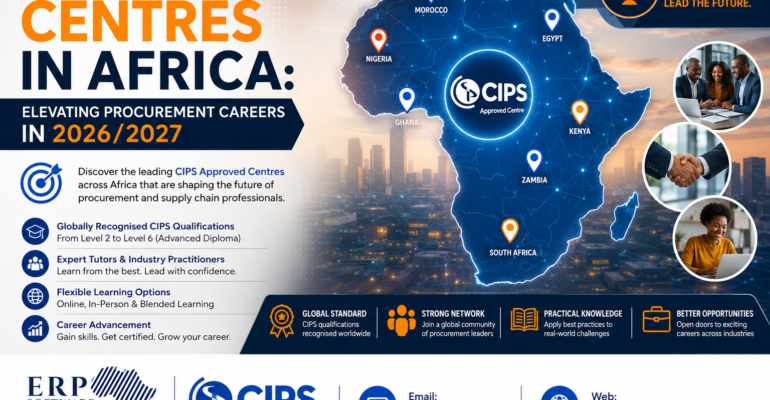
Top CIPS Centres in Africa: Elevating Procurement Careers in 2026/2027
Top CIPS Centres in Africa: Elevating Procurement Careers in 2026/2027
Introduction: Why CIPS Matters in Africa
As Africa emerges as a key player in the global economy, understanding procurement becomes essential for businesses aiming to succeed. Procurement is not just about purchasing; it involves strategic decision-making, supplier relationships, and achieving value for money. This is where CIPS comes into play, providing professionals with the skills they need to navigate complex supply chains and make informed decisions.
The chartered institute of procurement emphasizes the importance of building strong supplier relationships.
Furthermore, the chartered institute of procurement provides access to a network of industry professionals.
In many African countries, the procurement landscape is changing rapidly. With the rise of digital technologies, businesses are seeking professionals who can not only manage traditional procurement processes but also adapt to new digital tools and platforms. This adaptation is vital for maintaining competitive advantage and ensuring sustainable growth. CIPS qualifications prepare professionals for these challenges, equipping them with essential skills to lead in innovative procurement strategies.
Furthermore, CIPS also emphasizes professional ethics in procurement, which is critical as businesses face increasing scrutiny from stakeholders and consumers alike. Understanding how to conduct ethical procurement practices is not just beneficial for individual careers; it contributes to the broader goal of promoting transparency and accountability in business operations.
This guide aims to not only highlight the best CIPS centres but also to provide insights into how these institutions are shaping the future of procurement in Africa. By showcasing various training methodologies, success stories, and the impact of these centres on local economies, we hope to inspire more professionals to pursue CIPS qualifications.
Additionally, as organizations begin to incorporate procurement strategies that align with the Sustainable Development Goals (SDGs), training in areas like sustainable procurement becomes increasingly vital. CIPS centres are at the forefront of this movement, providing training that integrates sustainability principles into procurement practices.
Procurement and supply chain management are the backbone of Africa’s economic growth. As businesses expand across South Africa, Nigeria, Kenya, Ghana, Camerron and beyond, the demand for globally recognized procurement qualifications has never been higher.
Moreover, with the ongoing globalization of trade, understanding international procurement standards and practices is crucial. CIPS training not only covers local procurement laws but also includes insights into global trends, ensuring that professionals are well-prepared to operate in international markets.
The chartered institute of procurement is continually evolving to meet the needs of its members.
Another key advantage of pursuing qualifications through CIPS centres is the extensive networking opportunities they provide. Engaging with industry leaders, participating in workshops, and attending conferences are critical for building professional relationships that can lead to career advancement and collaborative opportunities within the procurement sector.
Learning through the chartered institute of procurement can significantly enhance one’s career prospects.
As procurement evolves and faces new challenges, the need for professionals who can think critically and strategically has never been greater. This emphasizes the importance of continuous learning and professional development, which CIPS centres facilitate through various courses and resources tailored to current industry demands.
In conclusion, choosing a CIPS centre in Africa is not just about obtaining a qualification; it’s an investment in a professional future that is aligned with the dynamic needs of the procurement industry. The skills and knowledge gained through these programs are invaluable in today’s increasingly competitive job market, positioning graduates for success in their careers.
The Chartered Institute of Procurement & Supply (CIPS) is the gold standard for procurement professionals worldwide and a global membership organisation serving the procurement and supply profession. Through CIPS South Africa, it is recognised by SAQA as a professional body for the procurement and supply profession, reinforcing standards of professionalism across the field. In Africa, accredited CIPS centres are helping thousands of procurement and supply professionals gain the skills, confidence, and recognition needed to develop in competitive markets. Membership also gives supply professionals access to global intelligence and professional development resources through CIPS digital platforms. As the body with the largest membership in this space, it supports a broad community of professionals. Learning with CIPS can also improve earning potential in Sub-Saharan Africa compared with non-certified peers.
If you’re searching for the best CIPS centres** in Africa**, this guide highlights the top institutions, including the SCM ERPSM Training Centre, widely recognized as one of the continent’s leading providers.
Why Choose a CIPS Centre in Africa?
Global Recognition: CIPS qualifications are respected in over 150 countries.
Career Growth: CIPS status is increasingly valued by employers, with 53% of employers in South Africa preferring candidates with MCIPS or those studying toward it for higher-paying and senior roles.
Risk Management: Training equips professionals to reduce fraud, improve compliance, and strengthen ESG practices.
Digital Procurement: Centres now integrate ERP, cybersecurity, and digital supply chain modules.
Criteria for Ranking Top CIPS Centres and CIPS Qualifications
The chartered institute of procurement is a hallmark of excellence in procurement education.
When evaluating centres, we considered partner networks and:
Accreditation by CIPS UK
Quality of trainers and industry experts
Accessibility (physical centres + online learning)
Student success rates and testimonials
Corporate partnerships with African businesses and universities, as CIPS works with universities to accredit procurement programs for organisations
As a result, many organizations now rely on the chartered institute of procurement for training and standard-setting.
The chartered institute of procurement plays an essential role in shaping future leaders in the procurement field.
Top CIPS Centres in Africa: In-Depth Analysis
Engaging in training through the chartered institute of procurement can lead to a significant impact on one’s career trajectory.
1. SCM ERPSM Training Centre-South Africa (Midrand, Johannesburg)
Let’s explore the leading CIPS centres in more detail, analyzing their unique strengths, course offerings, and contributions to the field of procurement.
This centre stands out not only for its accreditation but also for its commitment to excellence in training. The incorporation of real-world scenarios into their curriculum prepares students for the challenges they will face in the procurement field.
Why it’s #1:
As demands shift, the chartered institute of procurement adapts its offerings accordingly.
Accredited by CIPS UK
Offers Certificate, advanced certificate, Level 4–6 Diplomas, and Professional Diploma pathways with practical ERP and cybersecurity integration
Corporate training for procurement teams across South Africa and Africa
Strong focus on ESG, compliance, and ethical procurement
Backed by SCMERPSM.com, a trusted platform for ERP support and procurement consulting
This centre supports preparation for CIPS exams in South Africa held six times a year in January, March, May, July, September, and November. These are computer based exams in Objective and Constructed Response formats.
Learn more: ERPSM procurement and supply chain training programmes — SCM ERPSM Training Centre (scmerpsm.com in Bing)
Through various programs, the chartered institute of procurement instills essential skills that are applicable in diverse sectors. For study planning, students should allow about 10 hours per credit. At Level 4, each module carries 6 credits.
Furthermore, they provide extensive resources, including access to industry publications and networking events that keep students informed about the latest trends and technologies in procurement. They also guide registration through the cips website for a student member who wants to join cips, pay, and book globally recognised CIPS certification exams by the relevant date.
Beyond training, they actively engage in community initiatives, which enhances their reputation and strengthens ties with local businesses. This hands-on approach ensures that their students are not only learning but also contributing to the community. For exemptions, Level 5 and 6 allow a maximum of 18 credits for equivalent prior learning, including routes into the advanced diploma where applicable.
Being associated with the chartered institute of procurement signifies a commitment to professional excellence. This reflects the global standing of CIPS Level 4 Diploma and higher qualifications and supports progression after successful completion.
Moreover, collaboration with the chartered institute of procurement enhances the credibility of procurement certifications, especially when pursuing an accredited CIPS professional diploma in procurement.
The emphasis on ESG principles is also reflected in their courses, which prepares students to lead ethical sourcing initiatives and make informed decisions that benefit both their organizations and society.
CIPS training South Africa
Top CIPS centre Africa
Procurement ESG training Africa
ERP procurement courses Johannesburg
Networking with peers through the chartered institute of procurement can open new avenues for career advancement.
2. SmartProcurement-South Africa
Known for conferences and training events, including major annual gatherings in the sector such as CIPS Connect & Engage-style events
Strong corporate partnerships
Focus on supply chain innovation
These events help professionals make progress through networking and industry exposure, while extending their influence across the field, and align closely with SCMERPSM’s CIPS‑focused professional development and ESG training.
Backlink: SmartProcurement (smartprocurement.co.za in Bing)
3. EduGist-Nigeria
Education platform offering procurement insights
Supports CIPS awareness and training initiatives
As we continue to analyze more centres, it’s important to recognize that the best training not only imparts knowledge but also fosters a mindset geared towards innovation and ethical practices in procurement.
4. SAPICS-South Africa
Supply chain management association
Offers CIPS‑aligned training and certifications
Associations like this connect procurement and supply professionals through active regional branches that support members across sectors and job activities.
Local branch activities and regional events help with networking and shared practice across industries.
5. University World News – Africa Edition
Covers higher education and professional training
Features procurement and supply chain education stories
6. Education Ghana-Ghana
Through the chartered institute of procurement, members are equipped to face modern procurement challenges head-on.
The chartered institute of procurement acts as a bridge connecting professionals to the latest industry insights.
Education news and training platform
Promotes procurement and supply chain qualifications
7. Africa Supply Chain Network
Regional body promoting supply chain excellence
Supports CIPS training initiatives
CIPS Centres and ESG in Africa
One of the most important trends in procurement is ESG (Environmental, Social, Governance). CIPS for Development also implements strategic advisory services across low- and middle-income countries, linking ESG capability to real-world procurement improvement. African businesses are under pressure to adopt ethical sourcing, sustainability, and compliance frameworks.
CIPS centres like SCM ERPSM Training Centre integrate ESG modules into their training, ensuring professionals can help organisations improve procurement practice and:
Reduce environmental impact
Promote fair labor practices
Strengthen governance and compliance through leading edge thinking in ethical and sustainable procurement
ESG procurement training Africa
Ethical sourcing Africa
Sustainable procurement South Africa
Country‑Specific Highlights
🇿🇦 South Africa
CIPS Level 4 Diploma courses in Johannesburg – SCM ERPSM Training Centre (Johannesburg)
SmartProcurement
SAPICS
Backlink: Bizcommunity Education & Training
🇳🇬 Nigeria
EduGist
Local CIPS study centres in Lagos and Abuja
🇰🇪 Kenya
Nairobi CIPS centres
Supported by Africa Supply Chain Network
🇬🇭 Ghana
One of the driving forces behind the chartered institute of procurement is its emphasis on ethical procurement practices.
Education Ghana
University partnerships offering CIPS diplomas
“Best CIPS training centre in Africa 2026”
“Top procurement courses South Africa”
“CIPS Level 4 diploma Nigeria”
“Ethical procurement ESG Africa”
“Supply chain training Johannesburg”
“Accredited CIPS centres Ghana”
Through its programs, the chartered institute of procurement is shaping the future of procurement education.
Training modules from the chartered institute of procurement focus on practical applications in the workplace.
Through their comprehensive training programs, CIPS centres are fundamentally transforming the procurement profession in Africa. By focusing on both technical skills and ethical practices, they are ensuring that the future of procurement is in capable hands, ready to face the challenges ahead.
Enhance supplier collaboration through innovative procurement technologies
As procurement professionals face an ever-evolving landscape, continuous education and adaptation will be key to success. CIPS centres are integral in providing the necessary tools, resources, and support for professionals to excel in their careers.
The Role of CIPS in Promoting Ethical Procurement
The Chartered Institute of Procurement is vital in promoting ethical practices within procurement across Africa. With a commitment to sustainability, transparency, and fair trade, CIPS sets the standard for professionals in the industry. Their resources and guidance help procurement professionals to implement ethical sourcing policies that align with global best practices.
This commitment is essential as it helps businesses not only comply with legal requirements but also fosters a culture of responsibility and integrity. CIPS centres play a significant role in educating professionals about these ethical considerations, ensuring they are well-equipped to navigate challenges in procurement.
As part of their curriculum, CIPS centres address issues such as human rights, environmental impact, and corporate governance, which are critical components of ethical procurement. Through case studies and discussions, students learn how to apply these concepts in real-life scenarios, preparing them to advocate for responsible procurement practices.
Ultimately, the integration of ethical principles into procurement education contributes to building a more sustainable and equitable business environment in Africa.
Conclusion: Empowering the Future through CIPS
In summary, the importance of CIPS centres in Africa cannot be overstated. They provide the necessary training that empowers procurement professionals to excel in their roles and make a positive impact on their organizations and communities. As procurement continues to evolve, staying ahead of industry trends and embracing ethical practices will be key to success. The chartered institute of procurement offers a pathway to professional development that is aligned with these evolving demands. By investing in CIPS qualifications, professionals are not only enhancing their careers but also contributing to a more responsible and sustainable procurement landscape in Africa. Additionally, the chartered institute of procurement is pivotal in setting standards for ethical practices in the procurement industry.
The chartered institute of procurement offers a pathway to professional development that is aligned with these evolving demands. By investing in CIPS qualifications, professionals are not only enhancing their careers but also contributing to a more responsible and sustainable procurement landscape in Africa.
The chartered institute of procurement also provides a wealth of resources for professionals seeking to advance their knowledge and skills in procurement.
Furthermore, the chartered institute of procurement encourages networking among its members, which can lead to professional growth and career opportunities.
With the chartered institute of procurement, professionals can continuously update their skills to meet industry standards. For guidance on CIPS qualifications, registration, or exams, contact the provider.
Related Posts

CIPS November 2026 Exam Series: What You Need to Know
Study Supply Chain Management in South Africa: An Essential Guide
AI in procurement: Transforming sourcing and operations

Search
Categories
Latest Posts

CIPS November 2026 Exam Series: What You Need to Know
September 19, 2026
Is Supply Chain Management a Good Career Choice for Students?
September 11, 2026
Popular Tags

Comment (1)
CIPS Accredited Training Provider – ERP Software Management
[…] training programmes aligned with the full qualification framework from Levels 2 to 6, built for African businesses that need flexible, quality-assured upskilling for procurement professionals and […]
Comments are closed.