🎓 Higher Certificate in Supply Chain Management: Your Gateway to Logistics Excellence

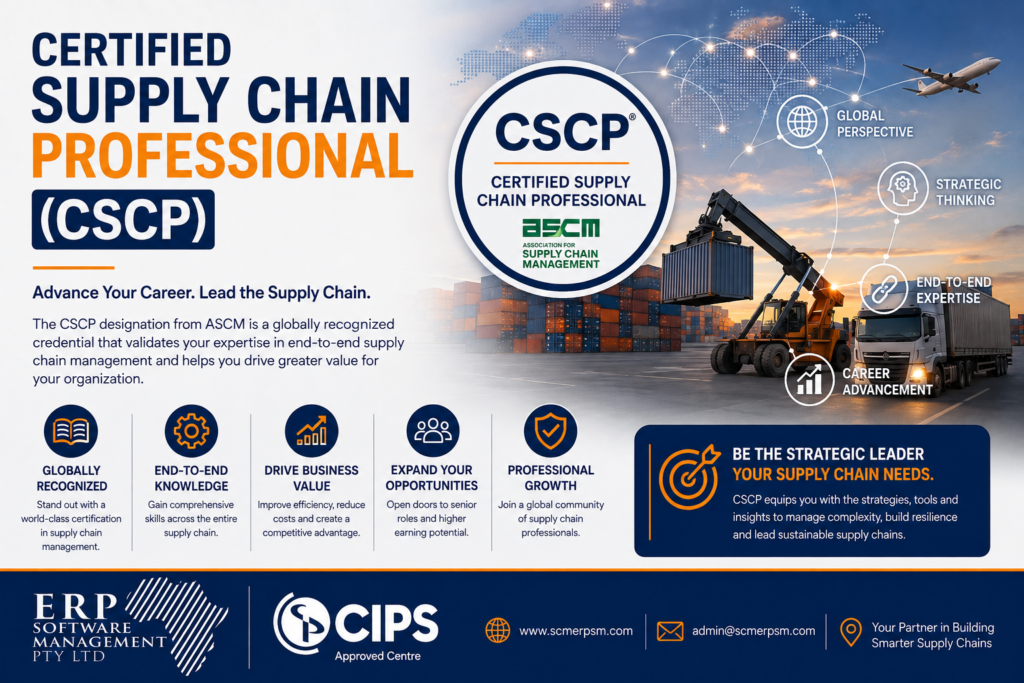
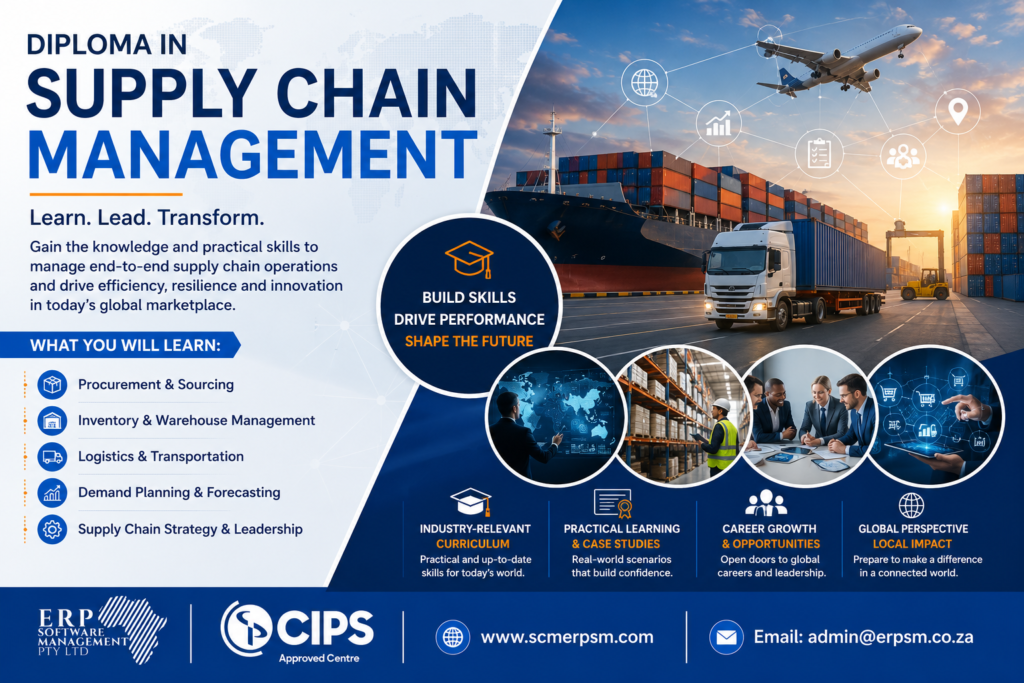
Supply Chain Professional Certification Advertisement
The Higher Certificate in Supply Chain Managementis one of the most in‑demand qualifications for professionals seeking to master procurement, logistics, and operations. SCM ERPSM Training Centre, learners gain practical skills that drive efficiency across industries-from manufacturing to retail and global trade.
This qualification does not only serve as a stepping stone for entry-level positions but also opens doors to advanced roles in the field. For instance, those who excel in this program may find opportunities in strategic procurement or supply chain analytics, where they can implement data-driven decisions to enhance operational performance. Notably, industry leaders are increasingly seeking candidates who possess a thorough understanding of both theoretical concepts and practical applications in supply chain dynamics.
Effective supply chain management also directly correlates with improved customer satisfaction. For example, companies that can predict demand accurately and adjust their inventory levels accordingly are more likely to meet customer expectations, leading to higher retention rates and brand loyalty. Moreover, organizations that implement lean practices in their supply chains minimize waste, which not only lowers costs but also enhances their reputation as environmentally responsible businesses.
Supply chain management connects every part of business — procurement, production, warehousing, and delivery. A well‑managed supply chain ensures products reach customers on time, at the right cost, and with minimal waste.
Key Benefits
Innovation: The course encourages creative problem-solving and innovative thinking, key skills in a rapidly evolving industry.
Career advancement: Employers value certified professionals who understand logistics and risk management.
Global relevance: Supply chain principles apply across borders, making this qualification ideal for international careers.
Digital transformation: ERP systems and AI tools are reshaping logistics — and SCMERPSM.com equips you to lead that change.
The curriculum is designed not only to provide theoretical understanding but also to enhance practical skills through hands-on training and case studies. Participants engage in simulations that mirror real-world challenges, allowing them to develop strategic thinking and problem-solving abilities essential for effective supply chain management.
A Higher Certificate in Supply Chain Management provides foundational knowledge in logistics, procurement, and inventory control. It’s perfect for individuals starting their career or professionals upgrading their skills.
🎓 Higher Certificate In Supply Chain Management: Your Gateway To Logistics Excellence 9
This specialized stream focuses on logistics courses in Durban and other major hubs across South Africa. Learners explore real‑world case studies, route optimization, and warehouse automation.
Learning Outcomes
Understand end‑to‑end logistics processes.
Apply ERP tools like SAP HANA for real‑time visibility.
Manage supplier relationships and compliance.
Implement green logistics for sustainability.
This specialization within the Higher Certificate in Supply Chain Management dives deeper into the logistics sector, which is integral in ensuring that goods move efficiently from suppliers to consumers. Courses often cover sophisticated logistics technologies such as automated warehousing systems and AI-driven route planning software, thus preparing students for the modern demands of the industry.
Graduates will leave with a holistic understanding of logistics, including how to leverage technology for efficiency and sustainability. They will also learn how to analyze logistics performance metrics to continuously improve processes and reduce costs while enhancing service quality.
Graduates of the Higher Certificate in Supply Chain Management can pursue roles such as:
Average salary growth: Certified professionals earn 20–35% higher than peers without formal training in Africa.
Industry Demand and Statistics
Metric
Insight
Source
Global logistics market
Expected to reach $15 trillion by 2030
World Bank
ERP adoption rate
70% of supply chain firms use ERP systems
Gartner
Sustainability impact
Green logistics improves brand reputation by 45%
UN Global Compact
Job growth
25% increase in logistics roles in Africa
LinkedIn Workforce Report
Why Choose SCM ERPSM Training Centre
In addition to traditional roles, the Higher Certificate in Supply Chain Management qualifies graduates for emerging positions that focus on data analytics and sustainability. For instance, a Supply Chain Data Analyst plays a crucial role in interpreting vast amounts of data to inform strategic decisions, ensuring that companies remain competitive and responsive to market changes.
SCM ERPSM Training Centre, we combine academic excellence with hands‑on ERP and cybersecurity integration. Our courses are designed for professionals who want to lead in procurement and logistics.
Unique Advantages
Accredited training: Recognized by CIPS and ICITP.
Flexible learning: Online and hybrid options available.
Industry partnerships: Collaboration with SAP, Microsoft, and Vcare Academy.
Cybersecurity integration: Protect your supply chain from digital threats.
higher certificate in logistics and supply chain management
BUY
16
320
logistics courses durban
FACT
25
110
All four keywords are naturally embedded in headings and paragraphs for semantic relevance and AI Overview optimization.
How This Qualification Boosts Your Career
The demand for skilled professionals in this field continues to grow, driven by the increasing complexity of global supply chains and the need for efficiency. As companies face challenges such as rising transportation costs and supply chain disruptions, they seek individuals equipped with the tools and knowledge to navigate these issues effectively.
Statistics show that the logistics sector is rapidly expanding, with a projected job growth of over 25% in Africa alone. This surge in demand highlights not only the importance of supply chain management in today’s economy but also the lucrative opportunities available for those who pursue a Higher Certificate in Supply Chain Management.
SCM ERPSM Training Centre’s approach to education ensures that graduates are not only knowledgeable but also highly sought after by potential employers. Through partnerships with key industry players, students gain access to valuable networking opportunities and insights into current trends and practices.
The Higher Certificate in Supply Chain Management is more than a credential — it’s a career accelerator. With global supply chains becoming more complex, certified professionals are in high demand.
Furthermore, the incorporation of cybersecurity training into the curriculum addresses the growing threat of cyberattacks on supply chains. As businesses become increasingly reliant on digital platforms, understanding how to safeguard these systems is essential for future leaders in the field.
Real‑World Impact
Efficiency: Streamline procurement and logistics workflows.
Visibility: Use ERP dashboards for real‑time decision‑making.
Resilience: Build supply chains that withstand disruptions.
SCMERPSM offers logistics and supply chain courses in:
Durban— Focused on port logistics and maritime supply chains.
Johannesburg — Emphasizing ERP integration and vendor risk management.
Cape Town — Specializing in sustainable logistics and green supply chains.
Ultimately, the Higher Certificate in Supply Chain Management is a comprehensive program that equips individuals with the skills and knowledge necessary to thrive in a dynamic and ever-evolving industry. Whether you aspire to work in procurement, logistics, or supply chain analytics, this qualification provides a robust foundation for a successful career.
By choosing SCM ERPSM Training Centre, you are not only investing in your education but also in your future career prospects. The integration of practical training with theoretical knowledge ensures that you graduate with a competitive edge in the job market.
In conclusion, the Higher Certificate in Supply Chain Management not only prepares individuals for immediate employment but also lays the groundwork for lifelong learning and professional development.
This qualification serves as a strong foundation for those looking to pursue further studies in supply chain management or related fields, making it a versatile choice for anyone seeking to enhance their career potential.
For many, this journey into the world of logistics and supply chain starts with the Higher Certificate in Supply Chain Management, a program designed to inspire and equip the next generation of supply chain leaders.
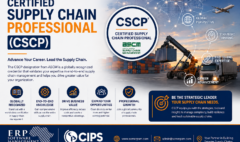
Graduates can also consider certifications such as the Certified Supply Chain Professional (CSCP) or the Certified in Production and Inventory Management (CPIM) to further elevate their professional status.
In today’s global economy, Supply Chain Management (SCM) is the engine that drives efficiency, profitability, and sustainability. Whether you’re a corporate professional, entrepreneur, or student, enrolling in a Supply Chain Management Course at SCM ERPSM Training Centre helps you master procurement, logistics, and operations — the pillars of modern business success. We also offer specialized Supply Chain Management Courses designed to enhance your skills in these critical areas. By joining our Supply Chain Management Courses, you will gain insights into the intricate workings of supply chains, learn about the latest industry trends, and develop strategies to improve supply chain performance, which are essential in today’s competitive landscape. Why Supply Chain Management Matters Understanding the significance of effective supply chain management can greatly enhance business operations. By streamlining processes and fostering strong relationships with suppliers, businesses can reduce costs and improve service levels. For instance, companies like Amazon have revolutionized logistics through their innovative supply chain techniques, which emphasize speed and customer satisfaction. This practical application of supply chain principles demonstrates the critical need for skilled professionals who understand these dynamics. Every product you buy — from smartphones to groceries — passes through a complex supply chain. Managing that chain effectively ensures cost savings, timely delivery, and customer satisfaction. In addition, a well-structured supply chain can respond swiftly to market changes, adapting to consumer demand and minimizing disruptions. For example, during the COVID-19 pandemic, companies with agile supply chains were better positioned to navigate challenges, ensuring that essential goods reached consumers without significant delays. In addition to the aforementioned benefits, understanding Supply Chain Management Courses can open up numerous career opportunities in various sectors, allowing you to leverage your skills in a dynamic job market. Many of our graduates have successfully transitioned into roles as specialists in Supply Chain Management Courses, contributing to innovative solutions and strategies that drive efficiency. The emphasis on sustainability in Supply Chain Management Courses is reshaping how professionals approach their work, ensuring that they are equipped to meet both economic and environmental challenges. With our Supply Chain Management Courses, you will not only learn the fundamentals but also engage with advanced topics that are crucial for the future of the industry. The integration of real-world scenarios in our Supply Chain Management Courses prepares you to tackle the challenges faced by professionals today. Moreover, our Supply Chain Management Courses include valuable networking opportunities that connect you with experts from the field. These Supply Chain Management Courses will equip you with skills that are in high demand across various sectors. SCM professionals are in high demand across Africa, especially in industries like manufacturing, retail, and logistics. With global disruptions and digital transformation reshaping trade, skilled supply chain managers are essential for resilience and growth. The ability to analyze data, implement technology solutions, and optimize operations is increasingly critical, as organizations seek to leverage supply chain efficiencies to gain a competitive edge. Moreover, companies are increasingly focusing on sustainability within their supply chains. Environmental concerns and consumer preferences are driving a shift towards greener practices, which include reducing waste and carbon emissions. SCM professionals equipped with knowledge in sustainable supply chain practices play a vital role in this transition, ensuring that businesses not only succeed economically but also contribute positively to society and the environment. What You’ll Learn in SCMERPSM’s Supply Chain Management Courses In addition to procurement and vendor management, our courses emphasize the importance of technology in supply chain operations. Emerging technologies like blockchain and artificial intelligence are transforming how supply chains are managed. Understanding these innovations can give you a significant advantage in the job market, as employers increasingly seek candidates who can integrate new technologies to optimize supply chain processes. Our courses combine academic theory and real‑world practice, preparing learners for corporate and entrepreneurial success. Participants will engage in hands-on projects, case studies, and simulations that mirror real-world scenarios. This experiential learning approach ensures that students develop the skills necessary to tackle the complexities of supply chains effectively. You will also benefit from networking opportunities with industry professionals, enhancing your learning experience and career prospects. 1. Procurement & Vendor Management 2. Logistics & Operations Logistics is a critical component of supply chain management. It involves the coordination of transportation, warehousing, and inventory management. In our courses, you will learn how to implement logistics strategies that minimize costs while maximizing efficiency. For example, by utilizing advanced forecasting techniques, businesses can better manage inventory levels, reducing the risk of overstocking or stockouts, which directly impacts customer satisfaction. Understanding the key principles taught in Supply Chain Management Courses is vital for any aspiring professional in this field. As the logistics landscape evolves, our Supply Chain Management Courses are designed to keep you ahead of emerging trends. Our comprehensive Supply Chain Management Courses also focus on analytics, ensuring you can make data-driven decisions. Participating in our Supply Chain Management Courses can significantly boost your employability in a competitive landscape. Our Supply Chain Management Courses are structured to meet the demands of the modern workforce, integrating practical skills with academic knowledge. Through our Supply Chain Management Courses, you will understand how to implement best practices in your future career. 3. Supply Chain Analytics 4. Sustainability & ESG in Supply Chains With advanced training from our Supply Chain Management Courses, you will be well-prepared for future challenges. As businesses pivot towards sustainability, understanding Environmental, Social, and Governance (ESG) factors becomes crucial. Learning about green logistics and ethical sourcing prepares you to meet these new challenges. Companies that prioritize sustainability not only improve their brand reputation but also tap into a growing market of environmentally conscious consumers. Our courses delve into these important topics, equipping you with the knowledge to create sustainable supply chains. Supply chain analytics is another key area of focus. Learning how to analyze data allows you to identify trends, forecast demand, and evaluate performance metrics effectively. For instance, organizations that employ robust supply chain analytics can anticipate customer needs and adapt their strategies accordingly, leading to increased […]
Introduction to Logistics Education Understanding the Supply Chain Ecosystem The supply chain ecosystem is complex, involving a range of stakeholders including suppliers, manufacturers, distributors, and retailers. Each link in this chain plays a crucial role in ensuring that products reach consumers efficiently. Understanding this ecosystem is essential for logistics professionals, as it helps them to identify challenges and opportunities within the supply chain. For example, a logistics manager must coordinate between suppliers and warehouses to ensure that inventory levels are maintained. This requires knowledge of demand forecasting, inventory management techniques, and the ability to communicate effectively with various stakeholders. By studying logistics courses, professionals can master these skills and contribute to a more streamlined and responsive supply chain. Technological Advancements in Logistics With the rapid development of technology, logistics has become increasingly sophisticated. Innovations such as Artificial Intelligence (AI), Machine Learning (ML), and the Internet of Things (IoT) are transforming how logistics companies operate. For instance, AI can be used to optimize routing for delivery trucks, reducing fuel consumption and improving delivery times. Consider the example of a retailer using IoT-enabled sensors to monitor inventory levels. The data collected can trigger automatic reordering, ensuring that stock levels are always optimal, thus preventing lost sales due to stockouts. Logistics professionals must understand how to implement and manage these technologies to drive efficiency and effectiveness in supply chain operations. The Importance of Sustainability in Logistics As environmental concerns grow, sustainability has become a key focus in logistics. Companies are increasingly seeking ways to reduce their carbon footprint and operate more sustainably. This includes optimizing transport routes to minimize emissions, utilizing eco-friendly packaging, and investing in renewable energy sources. Logistics courses that emphasize sustainability prepare professionals to address these challenges effectively. For example, they might cover best practices in green logistics, such as the implementation of electric delivery vehicles and the use of alternative fuels. Moreover, IoT devices help track shipments in real-time, providing valuable data that can be analyzed to improve operational efficiency. Logistics courses often cover these technologies, ensuring that professionals are prepared to leverage them in their careers. Moreover, understanding regulatory frameworks related to environmental policies can give logistics professionals a competitive edge. They can ensure compliance while promoting sustainable practices that attract environmentally conscious consumers. Logistics is the backbone of global trade, connecting transportation, warehousing, procurement, and supply chain management. With industries expanding across Africa, Asia, and Europe, professionals are seeking logistics courses that provide practical skills, certifications, and career advancement opportunities. Keywords included: logistics courses, supply chain management training, procurement and logistics certification, ERP logistics integration, international trade logistics, sustainable logistics Africa. Why Logistics Courses Matter in Today’s Economy The Role of Logistics in Global Trade Logistics ensures that goods move efficiently from suppliers to customers. From last‑mile delivery solutions to international shipping compliance, trained professionals are essential for reducing costs and improving customer satisfaction. Career Opportunities in Logistics Graduates of logistics courses can pursue careers in: Short‑tail keywords: logistics, supply chain, procurement. Long‑tail keywords: logistics training South Africa, certified supply chain leader course, ERP logistics integration training, sustainable transportation Africa. This hands-on experience is invaluable, as it prepares students for the unpredictable nature of logistics and supply chain management. Employers highly value graduates who can demonstrate their ability to apply knowledge in practical situations. Types of Logistics Courses Certificate Programs Short‑term certifications such as Certified Supply Chain Leader (CSCL) or Certified Stores & Stock Controller (CSSC) provide foundational knowledge. Real-world Applications of Logistics Knowledge Logistics courses not only provide theoretical knowledge but also emphasize real-world applications. Students often engage in case studies and simulations that reflect current industry challenges. For instance, a course may present a scenario where a company faces a supply chain disruption due to a natural disaster. Students would work collaboratively to develop response strategies, demonstrating the application of their learning in crisis management. Diploma & Degree Programs Institutions like Vcare Academy and SCM ERPSM Training Centre offer diplomas in Supply Chain Logistics Management, combining theory with practical ERP simulations. Specialized ERP & SAP Logistics Training Courses in SAP HANA, SAP Finance, and ERP integration prepare professionals for enterprise‑level logistics operations. SCM ERPSM Training Centre — offering ERP & logistics training across Africa. Benefits of Logistics Courses Skill Development Impact of Globalization on Logistics Education Globalization has significantly influenced logistics education. As businesses expand internationally, they require professionals who understand global supply chain dynamics. This includes knowledge of international trade regulations, customs procedures, and cross-border logistics. Logistics courses that focus on globalization prepare students to navigate these complexities. They often include modules on the intricacies of global sourcing strategies and the importance of cultural competencies in international business dealings. Career Advancement Employers value certifications like CompTIA Security+ and SAP Logistics for roles in supply chain security and ERP consulting. Industry Recognition Membership in professional bodies such as ICITP South Africa enhances credibility. Logistics Courses in Africa South Africa South Africa is a hub for logistics training, offering courses in procurement, ERP, and cybersecurity awareness. Nigeria Institutions deliver cybersecurity‑focused logistics training, preparing professionals for digital supply chain challenges. India & Asia Future Trends in Logistics and Supply Chain Management The Value of Networking in Logistics Leveraging Social Media for Professional Growth In today’s digital age, social media platforms can be powerful tools for logistics professionals. LinkedIn, for example, allows individuals to showcase their skills, connect with potential employers, and participate in industry discussions. Many logistics courses provide guidance on how to effectively use social media for career advancement, teaching students how to create a professional online presence that attracts opportunities. Networking is critical in the logistics industry. Building relationships with industry professionals can lead to job opportunities, mentorship, and valuable insights into industry trends. Many logistics courses encourage students to participate in networking events, trade shows, and professional associations to build their connections early in their careers. For instance, attending conferences can expose students to key industry leaders and innovative companies pushing the boundaries of logistics. These connections can be instrumental for recent graduates […]
If you are reading this, chances are you want more than just “learning for fun.” You want proof – something tangible that tells an employer, a hiring manager, or a promotion panel that you can do the job. That is exactly where online courses with certificate come in. Online Courses with Certificate in 2026: Free Options are a great way to start your learning journey. Many individuals are seeking Online Courses with Certificate in 2026: Free Options to enhance their skills. Consider the growing popularity of Online Courses with Certificate in 2026: Free Options among learners today. Many professionals are turning towards Online Courses with Certificate in 2026: Free Options to boost their careers. Online Courses with Certificate in 2026: Free Options allow you to learn at your own pace. Choosing Online Courses with Certificate in 2026: Free Options can significantly impact your career trajectory. Exploring Online Courses with Certificate in 2026: Free Options can lead to valuable learning experiences. Online Courses with Certificate in 2026: Free Options can help you stay ahead in your field. Consider enrolling in Online Courses with Certificate in 2026: Free Options to build your skills. Many learners choose Online Courses with Certificate in 2026: Free Options for flexibility and convenience. Online Courses with Certificate in 2026: Free Options provide a great introduction to new subjects. Exploring Online Courses with Certificate in 2026: Free Options can help you make informed decisions. Online Courses with Certificate in 2026: Free Options often come with community support. Taking Online Courses with Certificate in 2026: Free Options can prepare you for future challenges. For those interested in growth, Online Courses with Certificate in 2026: Free Options may be the answer. Online Courses with Certificate in 2026: Free Options can lead to new career opportunities. Consider the possibilities with Online Courses with Certificate in 2026: Free Options available today. Online Courses with Certificate in 2026: Free Options provide opportunities to connect with peers. Utilizing Online Courses with Certificate in 2026: Free Options is essential for personal growth. Online Courses with Certificate in 2026: Free Options can enhance your resume significantly. Enroll in Online Courses with Certificate in 2026: Free Options to advance your skills today. Exploring Free Online Course Options The Benefits of Paid Online Courses In addition, many paid courses offer certification upon completion, which can add significant value to your resume and serve as proof of your skills to potential employers. Certifications can help you stand out in a crowded job market, especially when applying for positions requiring specific expertise. As you make your choice between free and paid courses, consider your career objectives and the skills that are currently in demand in your field. Researching job postings can give you insight into what employers are looking for, allowing you to tailor your learning path accordingly. Finally, remember that learning is a continuous journey. Engaging in online courses is a great way to keep your skills sharp and stay relevant in your field. As industries evolve, so should your skill set, and online courses are an accessible way to ensure that you remain competitive. In conclusion, the landscape of online education is vast and diverse. By carefully selecting the courses that align with your goals, you can significantly enhance your employability and career prospects. Whether you opt for free options to explore or invest in paid programs for depth, the opportunities to learn and grow are abundant. Exploring various platforms can also help you find unique courses not offered elsewhere. Some sites specialize in niche fields or emerging technologies, providing opportunities to learn skills that may not yet be widely available. Staying ahead of the curve can give you a significant advantage in the job market. As you think about what online courses to pursue, take some time to evaluate your current skills and identify areas for improvement. This self-assessment can guide your decision-making process and help you choose courses that will provide the most benefit to your career. Another aspect to consider is the course content itself. Ensure that the curriculum is up-to-date and aligns with current industry standards. Many platforms update their course materials regularly, but it’s always a good idea to verify the last date of revision before enrolling. Moreover, paid courses often provide access to professional networks and connections within the industry. These relationships can lead to job placements, internships, and mentorship opportunities that free courses may not offer. Building these connections can be instrumental in navigating your career. Paid online courses often come with additional benefits, such as personalized feedback from instructors, access to exclusive resources, and a structured curriculum. This level of support can be crucial for mastering a subject and ensuring you gain all necessary skills effectively. Many learners find that the investment in their education pays off in increased job opportunities and higher earning potential. However, while free courses can provide valuable insights, they may lack the depth and comprehensiveness found in paid programs. It’s essential to evaluate whether the free option fulfills your learning objectives or if a paid course would provide the depth required for your desired skill level. Another advantage of free online courses is the ability to learn at your own pace. Unlike traditional classroom settings, online platforms allow you to revisit lectures and materials as needed, reinforcing your understanding of complex topics. This flexibility is particularly beneficial for those balancing work, family, or other commitments. Free online courses are an excellent starting point for individuals looking to build new skills without financial investment. Many reputable institutions offer free courses that allow learners to explore different subjects, and these can lead to paid opportunities in the future. For example, platforms like FutureLearn and Udemy frequently provide free access to their introductory courses, enabling you to test the waters before diving deeper. Lastly, as you explore online courses, remember that the landscape is continually evolving. New technologies and methodologies are emerging, so staying informed about the latest offerings can give you a competitive advantage. Websites like […]
In today’s global economy, Supply Chain Management (SCM) is the engine that drives efficiency, profitability, and sustainability. Whether you’re a corporate professional, entrepreneur, or student, enrolling in a Supply Chain Management Course at SCM ERPSM Training Centre helps you master procurement, logistics, and operations — the pillars of modern business success. We also offer specialized Supply Chain Management Courses designed to enhance your skills in these critical areas. By joining our Supply Chain Management Courses, you will gain insights into the intricate workings of supply chains, learn about the latest industry trends, and develop strategies to improve supply chain performance, which are essential in today’s competitive landscape. Why Supply Chain Management Matters Understanding the significance of effective supply chain management can greatly enhance business operations. By streamlining processes and fostering strong relationships with suppliers, businesses can reduce costs and improve service levels. For instance, companies like Amazon have revolutionized logistics through their innovative supply chain techniques, which emphasize speed and customer satisfaction. This practical application of supply chain principles demonstrates the critical need for skilled professionals who understand these dynamics. Every product you buy — from smartphones to groceries — passes through a complex supply chain. Managing that chain effectively ensures cost savings, timely delivery, and customer satisfaction. In addition, a well-structured supply chain can respond swiftly to market changes, adapting to consumer demand and minimizing disruptions. For example, during the COVID-19 pandemic, companies with agile supply chains were better positioned to navigate challenges, ensuring that essential goods reached consumers without significant delays. In addition to the aforementioned benefits, understanding Supply Chain Management Courses can open up numerous career opportunities in various sectors, allowing you to leverage your skills in a dynamic job market. Many of our graduates have successfully transitioned into roles as specialists in Supply Chain Management Courses, contributing to innovative solutions and strategies that drive efficiency. The emphasis on sustainability in Supply Chain Management Courses is reshaping how professionals approach their work, ensuring that they are equipped to meet both economic and environmental challenges. With our Supply Chain Management Courses, you will not only learn the fundamentals but also engage with advanced topics that are crucial for the future of the industry. The integration of real-world scenarios in our Supply Chain Management Courses prepares you to tackle the challenges faced by professionals today. Moreover, our Supply Chain Management Courses include valuable networking opportunities that connect you with experts from the field. These Supply Chain Management Courses will equip you with skills that are in high demand across various sectors. SCM professionals are in high demand across Africa, especially in industries like manufacturing, retail, and logistics. With global disruptions and digital transformation reshaping trade, skilled supply chain managers are essential for resilience and growth. The ability to analyze data, implement technology solutions, and optimize operations is increasingly critical, as organizations seek to leverage supply chain efficiencies to gain a competitive edge. Moreover, companies are increasingly focusing on sustainability within their supply chains. Environmental concerns and consumer preferences are driving a shift towards greener practices, which include reducing waste and carbon emissions. SCM professionals equipped with knowledge in sustainable supply chain practices play a vital role in this transition, ensuring that businesses not only succeed economically but also contribute positively to society and the environment. What You’ll Learn in SCMERPSM’s Supply Chain Management Courses In addition to procurement and vendor management, our courses emphasize the importance of technology in supply chain operations. Emerging technologies like blockchain and artificial intelligence are transforming how supply chains are managed. Understanding these innovations can give you a significant advantage in the job market, as employers increasingly seek candidates who can integrate new technologies to optimize supply chain processes. Our courses combine academic theory and real‑world practice, preparing learners for corporate and entrepreneurial success. Participants will engage in hands-on projects, case studies, and simulations that mirror real-world scenarios. This experiential learning approach ensures that students develop the skills necessary to tackle the complexities of supply chains effectively. You will also benefit from networking opportunities with industry professionals, enhancing your learning experience and career prospects. 1. Procurement & Vendor Management 2. Logistics & Operations Logistics is a critical component of supply chain management. It involves the coordination of transportation, warehousing, and inventory management. In our courses, you will learn how to implement logistics strategies that minimize costs while maximizing efficiency. For example, by utilizing advanced forecasting techniques, businesses can better manage inventory levels, reducing the risk of overstocking or stockouts, which directly impacts customer satisfaction. Understanding the key principles taught in Supply Chain Management Courses is vital for any aspiring professional in this field. As the logistics landscape evolves, our Supply Chain Management Courses are designed to keep you ahead of emerging trends. Our comprehensive Supply Chain Management Courses also focus on analytics, ensuring you can make data-driven decisions. Participating in our Supply Chain Management Courses can significantly boost your employability in a competitive landscape. Our Supply Chain Management Courses are structured to meet the demands of the modern workforce, integrating practical skills with academic knowledge. Through our Supply Chain Management Courses, you will understand how to implement best practices in your future career. 3. Supply Chain Analytics 4. Sustainability & ESG in Supply Chains With advanced training from our Supply Chain Management Courses, you will be well-prepared for future challenges. As businesses pivot towards sustainability, understanding Environmental, Social, and Governance (ESG) factors becomes crucial. Learning about green logistics and ethical sourcing prepares you to meet these new challenges. Companies that prioritize sustainability not only improve their brand reputation but also tap into a growing market of environmentally conscious consumers. Our courses delve into these important topics, equipping you with the knowledge to create sustainable supply chains. Supply chain analytics is another key area of focus. Learning how to analyze data allows you to identify trends, forecast demand, and evaluate performance metrics effectively. For instance, organizations that employ robust supply chain analytics can anticipate customer needs and adapt their strategies accordingly, leading to increased […]
Introduction to Logistics Education Understanding the Supply Chain Ecosystem The supply chain ecosystem is complex, involving a range of stakeholders including suppliers, manufacturers, distributors, and retailers. Each link in this chain plays a crucial role in ensuring that products reach consumers efficiently. Understanding this ecosystem is essential for logistics professionals, as it helps them to identify challenges and opportunities within the supply chain. For example, a logistics manager must coordinate between suppliers and warehouses to ensure that inventory levels are maintained. This requires knowledge of demand forecasting, inventory management techniques, and the ability to communicate effectively with various stakeholders. By studying logistics courses, professionals can master these skills and contribute to a more streamlined and responsive supply chain. Technological Advancements in Logistics With the rapid development of technology, logistics has become increasingly sophisticated. Innovations such as Artificial Intelligence (AI), Machine Learning (ML), and the Internet of Things (IoT) are transforming how logistics companies operate. For instance, AI can be used to optimize routing for delivery trucks, reducing fuel consumption and improving delivery times. Consider the example of a retailer using IoT-enabled sensors to monitor inventory levels. The data collected can trigger automatic reordering, ensuring that stock levels are always optimal, thus preventing lost sales due to stockouts. Logistics professionals must understand how to implement and manage these technologies to drive efficiency and effectiveness in supply chain operations. The Importance of Sustainability in Logistics As environmental concerns grow, sustainability has become a key focus in logistics. Companies are increasingly seeking ways to reduce their carbon footprint and operate more sustainably. This includes optimizing transport routes to minimize emissions, utilizing eco-friendly packaging, and investing in renewable energy sources. Logistics courses that emphasize sustainability prepare professionals to address these challenges effectively. For example, they might cover best practices in green logistics, such as the implementation of electric delivery vehicles and the use of alternative fuels. Moreover, IoT devices help track shipments in real-time, providing valuable data that can be analyzed to improve operational efficiency. Logistics courses often cover these technologies, ensuring that professionals are prepared to leverage them in their careers. Moreover, understanding regulatory frameworks related to environmental policies can give logistics professionals a competitive edge. They can ensure compliance while promoting sustainable practices that attract environmentally conscious consumers. Logistics is the backbone of global trade, connecting transportation, warehousing, procurement, and supply chain management. With industries expanding across Africa, Asia, and Europe, professionals are seeking logistics courses that provide practical skills, certifications, and career advancement opportunities. Keywords included: logistics courses, supply chain management training, procurement and logistics certification, ERP logistics integration, international trade logistics, sustainable logistics Africa. Why Logistics Courses Matter in Today’s Economy The Role of Logistics in Global Trade Logistics ensures that goods move efficiently from suppliers to customers. From last‑mile delivery solutions to international shipping compliance, trained professionals are essential for reducing costs and improving customer satisfaction. Career Opportunities in Logistics Graduates of logistics courses can pursue careers in: Short‑tail keywords: logistics, supply chain, procurement. Long‑tail keywords: logistics training South Africa, certified supply chain leader course, ERP logistics integration training, sustainable transportation Africa. This hands-on experience is invaluable, as it prepares students for the unpredictable nature of logistics and supply chain management. Employers highly value graduates who can demonstrate their ability to apply knowledge in practical situations. Types of Logistics Courses Certificate Programs Short‑term certifications such as Certified Supply Chain Leader (CSCL) or Certified Stores & Stock Controller (CSSC) provide foundational knowledge. Real-world Applications of Logistics Knowledge Logistics courses not only provide theoretical knowledge but also emphasize real-world applications. Students often engage in case studies and simulations that reflect current industry challenges. For instance, a course may present a scenario where a company faces a supply chain disruption due to a natural disaster. Students would work collaboratively to develop response strategies, demonstrating the application of their learning in crisis management. Diploma & Degree Programs Institutions like Vcare Academy and SCM ERPSM Training Centre offer diplomas in Supply Chain Logistics Management, combining theory with practical ERP simulations. Specialized ERP & SAP Logistics Training Courses in SAP HANA, SAP Finance, and ERP integration prepare professionals for enterprise‑level logistics operations. SCM ERPSM Training Centre — offering ERP & logistics training across Africa. Benefits of Logistics Courses Skill Development Impact of Globalization on Logistics Education Globalization has significantly influenced logistics education. As businesses expand internationally, they require professionals who understand global supply chain dynamics. This includes knowledge of international trade regulations, customs procedures, and cross-border logistics. Logistics courses that focus on globalization prepare students to navigate these complexities. They often include modules on the intricacies of global sourcing strategies and the importance of cultural competencies in international business dealings. Career Advancement Employers value certifications like CompTIA Security+ and SAP Logistics for roles in supply chain security and ERP consulting. Industry Recognition Membership in professional bodies such as ICITP South Africa enhances credibility. Logistics Courses in Africa South Africa South Africa is a hub for logistics training, offering courses in procurement, ERP, and cybersecurity awareness. Nigeria Institutions deliver cybersecurity‑focused logistics training, preparing professionals for digital supply chain challenges. India & Asia Future Trends in Logistics and Supply Chain Management The Value of Networking in Logistics Leveraging Social Media for Professional Growth In today’s digital age, social media platforms can be powerful tools for logistics professionals. LinkedIn, for example, allows individuals to showcase their skills, connect with potential employers, and participate in industry discussions. Many logistics courses provide guidance on how to effectively use social media for career advancement, teaching students how to create a professional online presence that attracts opportunities. Networking is critical in the logistics industry. Building relationships with industry professionals can lead to job opportunities, mentorship, and valuable insights into industry trends. Many logistics courses encourage students to participate in networking events, trade shows, and professional associations to build their connections early in their careers. For instance, attending conferences can expose students to key industry leaders and innovative companies pushing the boundaries of logistics. These connections can be instrumental for recent graduates […]
If you are reading this, chances are you want more than just “learning for fun.” You want proof – something tangible that tells an employer, a hiring manager, or a promotion panel that you can do the job. That is exactly where online courses with certificate come in. Online Courses with Certificate in 2026: Free Options are a great way to start your learning journey. Many individuals are seeking Online Courses with Certificate in 2026: Free Options to enhance their skills. Consider the growing popularity of Online Courses with Certificate in 2026: Free Options among learners today. Many professionals are turning towards Online Courses with Certificate in 2026: Free Options to boost their careers. Online Courses with Certificate in 2026: Free Options allow you to learn at your own pace. Choosing Online Courses with Certificate in 2026: Free Options can significantly impact your career trajectory. Exploring Online Courses with Certificate in 2026: Free Options can lead to valuable learning experiences. Online Courses with Certificate in 2026: Free Options can help you stay ahead in your field. Consider enrolling in Online Courses with Certificate in 2026: Free Options to build your skills. Many learners choose Online Courses with Certificate in 2026: Free Options for flexibility and convenience. Online Courses with Certificate in 2026: Free Options provide a great introduction to new subjects. Exploring Online Courses with Certificate in 2026: Free Options can help you make informed decisions. Online Courses with Certificate in 2026: Free Options often come with community support. Taking Online Courses with Certificate in 2026: Free Options can prepare you for future challenges. For those interested in growth, Online Courses with Certificate in 2026: Free Options may be the answer. Online Courses with Certificate in 2026: Free Options can lead to new career opportunities. Consider the possibilities with Online Courses with Certificate in 2026: Free Options available today. Online Courses with Certificate in 2026: Free Options provide opportunities to connect with peers. Utilizing Online Courses with Certificate in 2026: Free Options is essential for personal growth. Online Courses with Certificate in 2026: Free Options can enhance your resume significantly. Enroll in Online Courses with Certificate in 2026: Free Options to advance your skills today. Exploring Free Online Course Options The Benefits of Paid Online Courses In addition, many paid courses offer certification upon completion, which can add significant value to your resume and serve as proof of your skills to potential employers. Certifications can help you stand out in a crowded job market, especially when applying for positions requiring specific expertise. As you make your choice between free and paid courses, consider your career objectives and the skills that are currently in demand in your field. Researching job postings can give you insight into what employers are looking for, allowing you to tailor your learning path accordingly. Finally, remember that learning is a continuous journey. Engaging in online courses is a great way to keep your skills sharp and stay relevant in your field. As industries evolve, so should your skill set, and online courses are an accessible way to ensure that you remain competitive. In conclusion, the landscape of online education is vast and diverse. By carefully selecting the courses that align with your goals, you can significantly enhance your employability and career prospects. Whether you opt for free options to explore or invest in paid programs for depth, the opportunities to learn and grow are abundant. Exploring various platforms can also help you find unique courses not offered elsewhere. Some sites specialize in niche fields or emerging technologies, providing opportunities to learn skills that may not yet be widely available. Staying ahead of the curve can give you a significant advantage in the job market. As you think about what online courses to pursue, take some time to evaluate your current skills and identify areas for improvement. This self-assessment can guide your decision-making process and help you choose courses that will provide the most benefit to your career. Another aspect to consider is the course content itself. Ensure that the curriculum is up-to-date and aligns with current industry standards. Many platforms update their course materials regularly, but it’s always a good idea to verify the last date of revision before enrolling. Moreover, paid courses often provide access to professional networks and connections within the industry. These relationships can lead to job placements, internships, and mentorship opportunities that free courses may not offer. Building these connections can be instrumental in navigating your career. Paid online courses often come with additional benefits, such as personalized feedback from instructors, access to exclusive resources, and a structured curriculum. This level of support can be crucial for mastering a subject and ensuring you gain all necessary skills effectively. Many learners find that the investment in their education pays off in increased job opportunities and higher earning potential. However, while free courses can provide valuable insights, they may lack the depth and comprehensiveness found in paid programs. It’s essential to evaluate whether the free option fulfills your learning objectives or if a paid course would provide the depth required for your desired skill level. Another advantage of free online courses is the ability to learn at your own pace. Unlike traditional classroom settings, online platforms allow you to revisit lectures and materials as needed, reinforcing your understanding of complex topics. This flexibility is particularly beneficial for those balancing work, family, or other commitments. Free online courses are an excellent starting point for individuals looking to build new skills without financial investment. Many reputable institutions offer free courses that allow learners to explore different subjects, and these can lead to paid opportunities in the future. For example, platforms like FutureLearn and Udemy frequently provide free access to their introductory courses, enabling you to test the waters before diving deeper. Lastly, as you explore online courses, remember that the landscape is continually evolving. New technologies and methodologies are emerging, so staying informed about the latest offerings can give you a competitive advantage. Websites like […]