
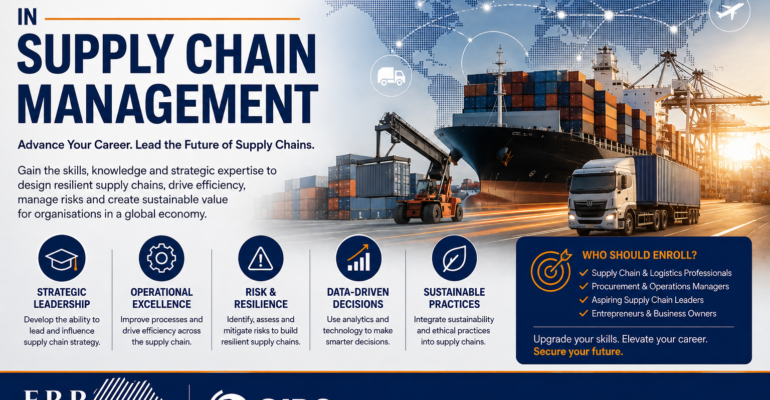
Advanced Diploma in Supply Chain Management
Understanding the Role of Procurement and Contracting in Business Success
Procurement and contracting are the core business processes for buying what an organization needs: procurement covers sourcing, negotiating, and acquiring goods and services, while contracting turns supplier agreements into legally binding terms that define obligations, expectations, pricing, and responsibilities. For procurement, supply chain, and logistics professionals across Africa, from junior buyers and contract managers to employers building stronger teams and people pursuing internationally recognized CIPS professional diploma courses in procurement and supply chain management, understanding both disciplines improves buying decisions, cost control, compliance, supplier relationships, and risk management. Effective procurement strategies also create measurable savings that can be redirected to innovation and growth initiatives.
This guide explains how procurement processes work in practice, including procurement contracts and their key elements, common contract types, supplier performance and risk management, dispute resolution, financial terms, contract lifecycle management, and the wider strategic role procurement plays in business success. The landscape is also evolving quickly: where manual processes slow efficiency, digital tools and e-procurement systems improve accuracy, speed, paperwork control, and policy compliance.
Importance of Procurement and Contracting in Supply Chain Management
Procurement is the end‑to‑end process of sourcing, negotiating, and acquiring goods and services that an organisation needs to operate, a process often called procurement. Contracting is the part of that process that turns supplier agreements into formal, legally binding contracts defining each side’s obligations, expectations, and responsibilities. In practice, procurement covers several specialties, including:
Identifying needs
Finding suppliers
Evaluating proposals
Negotiating terms
Managing contracts
Ensuring delivery and payment
For procurement, supply chain, and logistics professionals across Africa — including junior buyers, contract managers, and employers building stronger procurement teams — understanding procurement and contracting supports better buying decisions, lower costs, stronger supplier performance, compliance, and career growth. Many professionals build these capabilities through CIPS training centres in South Africa and affordable CIPS procurement training in South Africa, especially those pursuing internationally recognised qualifications. Contracting is a specialised discipline within procurement, alongside areas such as contract administration and subcontract management, which reflects how procurement works across sourcing, contracting, and delivery management.
Effective procurement and contracting requires strong knowledge of supply chains, supplier markets, and contract management, from selecting the right contract types to managing supplier relationships, monitoring performance, resolving disputes, and handling key financial terms, which can be strengthened through specialised professional procurement and contract management training and broader strategic procurement and supply chain management courses. It also demands the ability to build reliable, long‑term supplier partnerships where supplier reliability supports quality, cost control, and stronger commercial outcomes.
In modern organisations, procurement is not just a support function — it is a strategic driver of cost savings, risk reduction, supplier performance, and operational efficiency that supports wider business and supply chain success, especially when supported by CIPS-aligned procurement and supply chain training programmes. Large organisations may use centralized procurement, with a dedicated head-office procurement team consolidating purchasing power and streamlining sourcing and contracting.
What Is a Procurement Contract?
A procurement contract is a legally binding agreement that defines the obligations, expectations, and responsibilities of both the buyer and the supplier. It ensures clarity, accountability, and legal protection throughout the purchasing process, while clear contract terms support legal enforceability and accountability.
Key Elements of a Procurement Contract
Additionally, as procurement and contracting become more strategic, organizations are increasingly focusing on supplier relationship management, making procurement and contract management a core function that supports performance, governance, and long-term value. Establishing strong partnerships with suppliers can lead to improved service levels, innovation, and competitive advantage. Companies that invest in supplier development often see higher quality products and services, as well as reduced lead times. Key stages across the agreement lifecycle include drafting, ensuring compliance, and managing vendor relationships.
Importance of Procurement and Contracting in Supply Chain Management
Furthermore, as the global market continues to expand, procurement professionals must adapt to various cultural and regulatory environments. This necessitates a deeper understanding of international procurement practices, including compliance with local laws and regulations, market research for supplier identification in different regions, and the reality that many organizations underestimate the need for detailed contracts when operating across regulatory environments, all of which can significantly impact contract negotiations and supplier selection processes.
1. Performance Monitoring and Supplier Management
This includes:
Tracking contract performance
Managing supplier relationships
Making adjustments when needed
Ensuring both parties meet their obligations
Moreover, performance monitoring involves not just tracking contract deliverables but also assessing the overall value contributed by suppliers to the organization, particularly by managing third‑party and supply chain risk as part of vendor oversight. Companies should leverage key performance indicators (KPIs) to evaluate supplier performance, support risk management, and identify areas for continuous improvement and long term value.
Performance management protects the interests of both the buyer and the supplier while supporting stronger supplier relationships over time.
2. Dispute Resolution Mechanisms
Instead of going to court, procurement contracts often include:
Mediation
Arbitration
Escalation procedures
This saves time, reduces legal costs, and maintains business relationships.
3. Financial Terms and Payment Conditions
A procurement contract outlines the financial obligations and payment terms that keep transactions clear and support cost control:
Implementing effective dispute resolution mechanisms is also essential in procurement and contracting. Organizations benefit from having clear procedures in place to handle conflicts, which can help maintain supplier relationships and ensure that projects stay on track. Establishing a culture of open communication can further reduce the likelihood of disputes arising in the first place.
Invoicing requirements
Payment timelines
Accepted payment methods
Conditions for releasing funds
A purchase order can also serve as a legally binding record of price, quantity, delivery, and payment details.
Clear financial terms prevent misunderstandings, delays, and weak budget oversight.
4. Performance Guarantees and Insurance
Contracts may require:
Performance bonds
Insurance coverage
Quality guarantees
These ensure the supplier delivers the agreed‑upon standard.
In terms of financial management, organizations should regularly review their procurement contracts to adapt to changing market conditions and economic factors. Flexible payment terms can be negotiated to accommodate fluctuations in cash flow and supplier pricing, which can enhance financial stability during uncertain times.
5. Contract Closure and Completion
This section defines:
How goods or services will be handed over
Acceptance criteria
Final documentation
Conditions for closing the contract
A structured closure process ensures accountability and transparency.
Contract closure and completion should also focus on the learning outcomes from each procurement cycle. Conducting post-contract reviews helps organizations to assess what worked well and what could be improved, providing valuable insights for future procurement initiatives.
Types of Procurement Contracts
Different procurement needs require different contract structures. Below are the most common types used in both public and private sectors, and many organisations upskill their teams on these options through corporate CIPS Level 2–6 procurement training.
1. Fixed‑Price Contracts
The supplier delivers a product or service for a pre‑agreed price under a fixed price contract, regardless of actual costs incurred.
Types include:
Firm Fixed Price (FFP)
Fixed Price Incentive Fee (FPIF)
Fixed Price with Economic Price Adjustment (FP‑EPA)
A lump sum contract is a common structure when the scope, timeline, and total payment are clearly defined.
These contracts offer strong cost predictability for buyers.
2. Cost‑Reimbursable Contracts
Also known as cost‑plus contracts, these agreements reimburse the supplier for:
Direct costs
Indirect costs
A fixed fee or profit margin
In this model, the buyer agrees to reimburse verified expenses, often based on the supplier’s cost price plus a fixed fee. Scope changes can also create additional costs, so cost control is essential.
They are ideal when project costs cannot be accurately estimated upfront, and are frequently explored in development programmes such as the CIPS Level 4 Diploma course in Procurement and Supply and other CIPS Level 4 Diploma programmes to master procurement skills.
Contract closure and completion should also focus on the learning outcomes from each procurement cycle. Conducting post-contract reviews helps organizations to assess what worked well and what could be improved, providing valuable insights for future procurement initiatives.
3. Time and Materials (T&M) Contracts
The buyer pays for a time and materials contract that covers:
The supplier’s time (hourly or daily rate)
The materials contract component for materials used
This model is common in digital services, consulting, and technical projects, and it may involve a third-party employee working closely with the internal project team, where applying strategic sourcing practices and workshops helps align spend with long‑term value. It offers flexibility but needs more oversight to ensure the project stays on track and within budget while the project stays aligned to scope.
Why Procurement and Contracting Matter for Business Success
A strong procurement and contracting system helps organisations operate cost effectively, maximize profits, and succeed in a competitive marketplace while supporting sustainable growth, and many professionals strengthen these capabilities through CIPS Level 4 and other procurement qualifications, including focused CIPS Level 4 Diploma courses in Johannesburg, supported by providers that offer specialised CIPS training and enrolment support and comprehensive CIPS training South Africa courses for procurement careers:
Reduce operational costs
Improve supplier performance
Strengthen compliance
Minimise risk
Increase transparency
Support long‑term strategic goals
For procurement professionals, mastering these concepts is essential for career growth — especially for those pursuing CIPS qualifications across Levels 2–6 and evaluating the cost of CIPS qualifications and related study options, or selecting among top Chartered Institute of Procurement and Supply training centres in Africa, or working in supply chain, operations, or project management.
As markets evolve, the demand for innovative procurement strategies continues to grow. A solid contract also helps organisations maximize profits in competitive markets. Organizations are exploring various hybrid contract types that blend features from different contract structures to better meet their unique needs. For example, a combination of fixed-price and cost-reimbursable elements can provide both cost certainty and flexibility, which is a key focus of advanced programmes such as the CIPS Level 6 Professional Diploma in Procurement and Supply.
Boost
For personalised guidance on which CIPS level to start with and how to structure your study plan, many professionals reach out to ERPSM for CIPS course enquiries and support.
Related Posts

CIPS November 2026 Exam Series: What You Need to Know
Study Supply Chain Management in South Africa: An Essential Guide
AI in procurement: Transforming sourcing and operations

Search
Categories
Latest Posts

CIPS November 2026 Exam Series: What You Need to Know
September 19, 2026
Is Supply Chain Management a Good Career Choice for Students?
September 11, 2026
Popular Tags

Comment (1)
Supply Chain Manager Degree: Your Complete Guide to Logistics, Procurement & Operations Careers – ERP Software Management
[…] you are considering a degree in supply chain management, a BCom Supply Chain Management, a Bachelor of Logistics and Supply Chain Management, or a Supply Chain Management Bachelor Degree, […]
Comments are closed.