
Transportation in Logistics: The Backbone of Supply Chain Efficiency
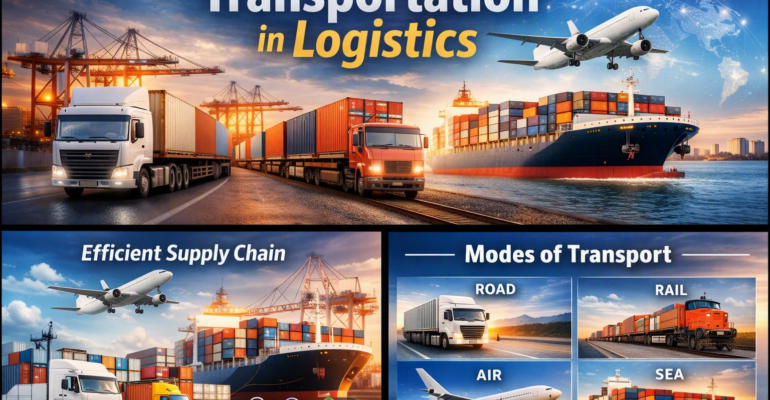

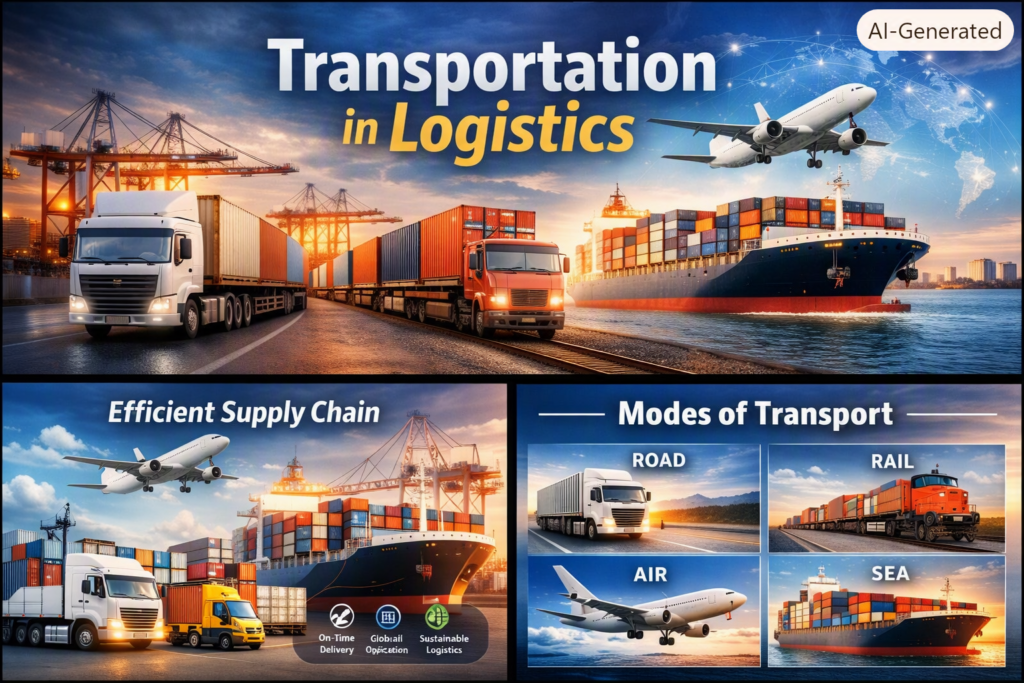
Transportation is the lifeline of logistics. Without efficient movement of goods, even the most advanced supply chain systems collapse. In today’s global economy, transportation is not just about moving items from point A to point B—it’s about speed, cost, sustainability, and customer satisfaction.
Transportation in logistics plays a critical role in ensuring the timely movement of goods and services.
In this context, understanding transportation in logistics can provide a competitive edge in market positioning.
Effective transportation strategies can lead to higher customer satisfaction. For instance, companies that prioritize timely deliveries often see increased customer loyalty. In contrast, failures in logistics can lead to customer dissatisfaction and a tarnished brand image. An example of this can be seen in the case of a major retailer that implemented a new logistics software to enhance their supply chain efficiency, resulting in a significant reduction of delivery delays and a corresponding rise in positive customer feedback.
Why Transportation Matters in Logistics
Moreover, transportation in logistics allows for efficient inventory management and enhances overall supply chain performance.
Effective management of transportation in logistics is essential for maintaining supply chain integrity.
Furthermore, effective transportation allows businesses to respond swiftly to market demands. For example, during the holiday season, retailers often ramp up their logistics operations to handle the surge in order volume. Efficient transportation systems enable these businesses to adapt to such seasonal changes successfully, thus maximizing sales opportunities.
Additionally, the role of technology in enhancing transportation efficiency cannot be overstated. Innovations such as GPS tracking and route optimization software have revolutionized how goods are transported. For instance, a company utilizing advanced routing software can reduce fuel consumption significantly, leading to both cost savings and environmental benefits.
Transportation connects suppliers, manufacturers, distributors, and customers. It ensures raw materials reach factories, finished goods reach markets, and e‑commerce parcels reach homes.
Key benefits include:
- Timely delivery → Meeting customer expectations.
- Cost efficiency → Optimizing routes reduces expenses.
- Market expansion → Access to global customers.
- Risk management → Reliable transport minimizes disruptions.
Modes of Transportation in Logistics
Different modes of transportation in logistics cater to various needs and requirements of businesses.
Understanding the nuances of transportation in logistics is vital for effective route planning.
1. Road Transport
- Most common for short‑haul and last‑mile delivery.
- Flexible routes, but vulnerable to traffic and fuel costs.
- Example: FMCG companies rely on trucks for daily distribution.
Road transportation remains the backbone of logistics, particularly for local deliveries. The flexibility of trucks allows for the transportation of goods in a manner suited to the specific needs of businesses. Companies are increasingly investing in fleet management technologies to enhance their road transport efficiency, leading to better route planning and reduced operational costs.
2. Rail Transport
- Ideal for bulk goods like coal, steel, and agricultural products.
- Lower emissions compared to road.
- Strong in regions with developed rail networks.
Rail transport, as a form of transportation in logistics, offers unique benefits for bulk shipments.
3. Air Transport
- Fastest mode, used for high‑value or urgent goods.
- Expensive, but critical for pharmaceuticals, electronics, and e‑commerce express delivery.
4. Sea Transport
- Backbone of international trade.
- Cost‑effective for large volumes, but slower.
- Containerization revolutionized global shipping efficiency.
Role of Transportation in Supply Chain Management
Rail transport, while less flexible than road transport, offers significant advantages for bulk goods. For example, transporting coal or agricultural products by rail can be more cost-effective and environmentally friendly compared to road transport. The rise of intermodal transport, where goods are transferred between rail and trucks, is enhancing the efficiency of rail logistics.
Transportation is not standalone — it integrates with warehousing, inventory, and procurement. For example:
- ERP systems like SAP HANA track shipments in real time.
- Vendor risk management ensures reliable carriers.
- CIPS procurement frameworks evaluate transport providers for compliance and sustainability.
Challenges in Transportation Logistics
Air transport is indispensable for industries requiring rapid delivery of high-value or time-sensitive products. A notable case is the pharmaceutical industry, where logistics disruptions can result in significant financial losses and health risks. Companies are investing in air cargo capacity to ensure that critical shipments reach their destinations promptly.
- Fuel price volatility → Impacts cost structures.
- Infrastructure gaps → Poor roads or ports delay shipments.
- Regulatory barriers → Customs clearance slows international trade.
- Environmental concerns → Pressure to adopt green logistics.
Future Trends in Transportation Logistics
- Digitalization → AI route optimization, IoT tracking, blockchain for transparency.
- Sustainability → Electric trucks, biofuels, carbon‑neutral shipping.
- Automation → Drones and autonomous vehicles for last‑mile delivery.
- Integrated platforms → ERP + logistics dashboards for real‑time visibility.
Statistics That Matter
Incorporating technology in transportation in logistics enhances data visibility and operational efficiency.
Moreover, advancements in shipping technology, such as automated ports and smart containers, are transforming sea transport. These innovations lead to quicker turnaround times and better management of shipping operations, enabling companies to manage their global supply chains more effectively.
- Global logistics market expected to reach USD 16 trillion by 2030.
- Transportation accounts for 40–50% of total logistics costs.
- E‑commerce growth drives 20% annual increase in last‑mile delivery demand.
Helpful Links
Integrating transportation with other supply chain functions is crucial for operational success. For example, a company that utilizes an ERP system effectively can synchronize its transportation plans with inventory levels, ensuring that supply meets demand efficiently. This integrated approach reduces costs and enhances overall operational efficiency.
- Learn more about CIPS Procurement Training
- Explore SAP ERP integration in logistics
Challenges faced in transportation in logistics require strategic solutions and proactive management.
Challenges in transportation logistics, such as fuel price volatility and regulatory barriers, can significantly impact a company’s bottom line. As such, organizations are increasingly adopting risk management strategies to navigate these challenges effectively. Companies are conducting thorough assessments of their supply chain to identify vulnerabilities and implement contingency plans.
Looking to the future, emerging trends in transportation logistics indicate a shift towards more sustainable practices. Companies are exploring electric vehicles and alternative fuels as part of their commitment to reducing their carbon footprint. Initiatives to establish greener supply chains are becoming prevalent as businesses recognize the importance of sustainable operations in their brand image.
Statistics highlight the growing impact of transportation in logistics. With the logistics market projected to reach USD 16 trillion by 2030, businesses must adapt to evolving consumer expectations and technological advancements. Understanding these trends is key for companies looking to maintain a competitive edge in the logistics landscape.
In conclusion, effective transportation in logistics is vital for the overall success of supply chains. By implementing best practices, leveraging technology, and emphasizing sustainability, businesses can navigate the complex landscape of logistics and meet the evolving demands of their customers.
Ultimately, staying informed about industry developments and continuously improving transportation strategies is essential for businesses looking to thrive in the ever-changing logistics landscape. As companies embrace innovation and adapt to new market conditions, they will be better positioned to succeed in the competitive realm of transportation in logistics.
Innovations in transportation in logistics are reshaping how goods are moved and tracked globally.
Emerging trends in transportation in logistics reveal a shift towards sustainability and efficiency.
Effective integration of transportation in logistics with other supply chain functions leads to improved results.
Continuous improvement in transportation in logistics is key to staying competitive in the marketplace.
In summary, the role of transportation in logistics cannot be overstated; it remains a fundamental component of supply chain management.
Ultimately, embracing advancements in transportation in logistics will lead to enhanced operational efficiencies.





Comment (1)
5 Logistics Courses For Unlocking Career Growth In Supply Chain Management
[…] to Logistics […]