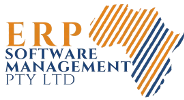
Supply Chain and Management– Building Resilient Business Futures
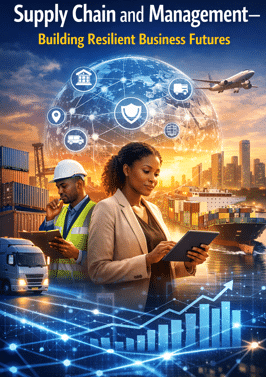
Supply Chain and Management– Building Resilient Business Futures
Supply Chain and Management scmerpsm.com – Building Resilient Business Futures
Supply Chain and Management– Building Resilient Business Futures
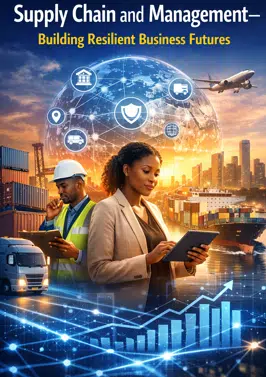
Supply Chain And Management– Building Resilient Business Futures 5
Why Supply Chain Management Matters Today
Understanding the principles of Supply Chain and Management is essential for modern businesses, and scmerpsm.com is a professional training platform that helps build those skills through CIPS-aligned procurement and supply chain education, delivered online and in person for working professionals across Africa.
In today’s rapidly evolving business landscape, understanding the significance of effective Supply Chain Management is more crucial than ever. Disruptions from global events such as the COVID-19 pandemic and geopolitical tensions have underscored the need for robust supply chain strategies that can withstand challenges, while digital transformation is reshaping how businesses operate through ERP systems, procurement technology, vendor risk controls, and stronger cybersecurity awareness. For instance, many companies faced significant delays and increased costs due to COVID-19, highlighting vulnerabilities in their supply chains. As Africa’s economies continue to grow, training designed for working professionals in Africa is increasingly important for junior buyers, contract managers, logistics teams, and employers developing strategic supply chain leaders who can improve efficiency, reduce costs, and strengthen resilience. This includes understanding the complexities of supply chain requirements, as well as the logistics and supply chain management requirements that differ across industries.
The growing demand for these skills also makes it important to compare learning options, from flexible study formats to corporate training and certification pathways. CIPS qualifications span from introductory levels to advanced diplomas, and understanding how to progress through the CIPS certification levels from Level 2 to Level 6 can help professionals plan their career development. Alongside core supply chain management principles, this article looks at strategic sourcing, certification choices, real-world training outcomes, and the mix of technical, strategic, and problem-solving skills needed for successful supply chain leadership.
Core Requirements of Supply Chain Management and ERP Software Management
Strategic Sourcing & Procurement
Discuss CIPS‑aligned courses and certifications, including the CIPS Level 4 Diploma as a globally recognized qualification, and outline the typical CIPS qualification costs and investment required at each level.
Keywords: requirements for supply chain management, strategic sourcing courses comparison CIPS, and pathways toward the globally recognized MCIPS professional procurement qualification.
Internal link: SCMERPSM.com/CIPS‑courses
Technology Integration
ERP systems (SAP, Microsoft Dynamics 365, Coupa, Ariba) and how ERPSM supports ERP-focused procurement training.
Keywords: procurement technology courses South Africa, ERP vendor risk management.
Internal link: SCMERPSM.com/ERP‑support
Risk & Compliance
Vendor risk management, cybersecurity awareness.
Keywords: cybersecurity awareness course Nigeria, Zero Trust segmentation training.
Internal link: SCMERPSM.com/cybersecurity‑training
Case Study – Corporate Supply Chain Training in South Africa
Incorporating CIPS-aligned courses and certifications into your learning path can significantly enhance your understanding and capabilities in this field.
Exploring various strategic sourcing courses can provide insights into supplier relationship management, which is critical for any supply chain professional.
Furthermore, leveraging the right ERP systems such as SAP, Microsoft Dynamics 365, Coupa, or Ariba can optimize procurement processes and enhance overall supply chain efficiency.
Example: A mid‑size logistics firm improved efficiency by 30% after enrolling staff in CIPS Level 4–6 courses and related CIPS training courses in South Africa.
Show ROI: reduced procurement costs, improved supplier relationships.
corporate supply chain training firms, CIPS logistics courses South Africa, and advanced strategic procurement and supply chain management training.
Flexible Supply Chain Learning – Online and In‑Person Delivery
Utilizing the latest technologies in vendor risk management can also mitigate potential disruptions and enhance cybersecurity awareness across the supply chain.
Highlight SCMERPSM Pty’s hybrid model (Sandton, Lagos, online).
Learners can contact the team or use google-based location details to verify the Sandton and Lagos study locations.
Keywords: flexible online and in person, affordable CIPS courses South Africa, and accredited CIPS training centres in South Africa.
Internal link: SCMERPSM.com/study‑centres
Choosing the Right Certification
Compare CIPS vs CPSM (most recognized purchasing certifications).
Keywords: recognized purchasing certification CPSM CIPS, best CIPS procurement courses online.
ISMworld.org (CPSM) and CIPS.org.
Highlight SCMERPSM Pty Ltd’s hybrid model across online, in-person, and distance learning options.
Note that ESG considerations are integrated into the procurement education resources provided when comparing certification pathways, and prospective learners can review our CIPS training FAQs and enrollment guidance for more detail.
Conclusion – Building Africa's Supply Chain Leaders
As we delve deeper into vendor risk management, it’s essential to develop a culture of cybersecurity awareness, as threats continue to evolve in sophistication.
Creating training programs focused on Zero Trust segmentation can be beneficial in ensuring that the supply chain remains secure against cyber threats.
Investing in Supply Chain and Management training can significantly enhance operational efficiency.
Call to action: “Enroll today with SCMERPSM Training Centre to transform your career.”
top supply chain training providers, South Africa accredited study centres.
Examining case studies from corporate supply chain training in South Africa can provide valuable insights into how businesses have successfully improved their operations.
With a focus on Supply Chain and Management, companies can better navigate disruptions.
Effective Supply Chain and Management leads to improved supplier relationships.
Healthcare organizations greatly benefit from Supply Chain and Management practices.
For example, a mid-size logistics firm that invested in CIPS Level 4–6 courses saw a remarkable improvement in efficiency, cutting costs and improving service delivery.
This demonstrates a clear return on investment, as reduced procurement costs and enhanced supplier relationships translated into better overall performance.
More corporate supply chain training firms are now recognizing the importance of continuous professional development in this field.
Choosing the right certification in Supply Chain and Management can boost your career prospects.
Flexible learning options are essential in accommodating various learning styles and life commitments, ensuring accessibility for all prospective students.
SCMERPSM’s hybrid model offers significant advantages by combining in-person training in key cities like Sandton and Lagos with online accessibility, supported by dedicated CIPS course enquiries and learner support.
This enables learners to choose the format that best fits their needs while still receiving high-quality education.
Choosing the right certification is critical in establishing a successful career; understanding the differences between the most recognized purchasing certifications can help guide your decision.
Supply Chain and Management skills are crucial for future leaders in the industry.
For instance, comparing CIPS vs CPSM reveals varying focuses, with CIPS emphasizing procurement and supply management expertise.
Participating in a CIPS program offers a pathway to join a global network, gaining access to additional resources and opportunities in the supply chain field.
Continuous education in Supply Chain and Management, including essential supply chain management courses in South Africa, can help professionals stay competitive.
Conversely, ISMworld.org (CPSM) targets a slightly different audience with a focus on strategic supply management.
In conclusion, the importance of building Africa’s supply chain leaders cannot be overstated. As industries evolve, so too must the skills and knowledge of those at the forefront of supply chain management.
With this in mind, I encourage you to enroll today with SCMERPSM Training Centre to transform your career, or follow our latest post for updates on programs and industry insights.
This is the time to take action and become part of the solution by engaging with top supply chain training providers, specifically within South Africa’s accredited study centres.
Related Posts

CIPS November 2026 Exam Series: What You Need to Know
Study Supply Chain Management in South Africa: An Essential Guide
AI in procurement: Transforming sourcing and operations

Search
Categories
Latest Posts

CIPS November 2026 Exam Series: What You Need to Know
September 19, 2026
Is Supply Chain Management a Good Career Choice for Students?
September 11, 2026
Popular Tags