
Supply Chain Management Operations: Driving Efficiency in 2026
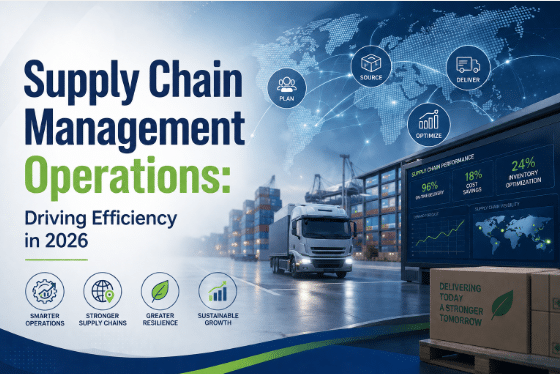

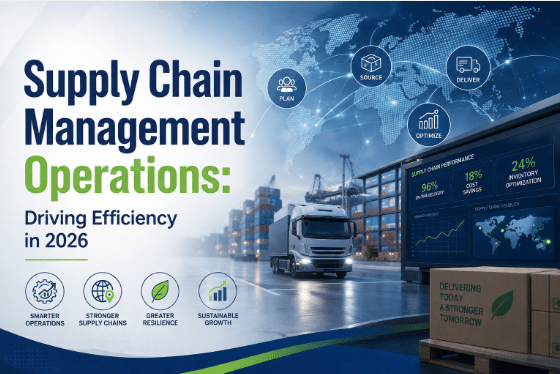
Supply Chain Management (SCM) operations are the engine of global trade. From procurement to logistics, warehousing to distribution, every step determines whether businesses deliver value, reduce costs, and satisfy customers. In 2026, SCM operations are not just about efficiency — they are about resilience, sustainability, and digital transformation. As the landscape of global commerce evolves, companies must adapt to new technologies and practices to thrive in an increasingly competitive environment. This includes leveraging data analytics for better decision-making, using artificial intelligence to optimize processes, and embracing sustainability initiatives to meet consumer expectations.
In addition to the fundamentals of SCM, it’s imperative to understand the role of technology in enhancing these operations. For instance, advanced forecasting tools utilizing machine learning can predict shifts in consumer demand, enabling companies to adjust production schedules proactively. Furthermore, the integration of Internet of Things (IoT) devices allows for real-time tracking of goods, ensuring transparency and accountability throughout the supply chain. By investing in these technologies, businesses can not only streamline their operations but also improve their responsiveness to market changes.
What Are Supply Chain Management Operations?
Understanding SCM Operations in Detail
Furthermore, the significance of sustainability in SCM cannot be overstated. Companies are increasingly recognizing the importance of sustainable supply chain practices not just for regulatory compliance but also for enhancing customer loyalty. For instance, brands that commit to environmentally friendly practices often see increased consumer trust and preference. Incorporating renewable resources into logistics, optimizing transport routes to reduce emissions, and minimizing waste are all practices that contribute to a more sustainable supply chain.
Moreover, companies can leverage data analytics to improve their inventory management. By analyzing historical sales data, businesses can better predict demand trends and adjust their stock levels accordingly. This proactive inventory management not only reduces excess inventory costs but also minimizes the risk of stockouts, ensuring that customer demands are met promptly.
In addition, considering the global nature of supply chains, companies must also be aware of geopolitical factors that can disrupt operations. Trade agreements, tariffs, and international relations can significantly impact sourcing strategies and logistics. Businesses must stay informed and agile, adapting their supply chain strategies to navigate these complexities.
SCM operations involve multiple interconnected processes that collectively ensure the efficient movement of goods and services. Each stage, from procurement to distribution, plays a vital role in the overall supply chain. For example, effective procurement not only involves sourcing materials but also requires building strong relationships with suppliers to ensure reliability and quality. This relationship-building extends to evaluating supplier performance and making necessary adjustments to ensure that the supply chain remains uninterrupted.
Why Are Supply Chain Management Operations Important?
Moreover, SCM operations are increasingly becoming a focal point for businesses aiming to achieve sustainability goals. By optimizing logistics routes and reducing waste, companies can lower their carbon footprint. This shift not only meets regulatory requirements but also aligns with consumer demands for greener practices, thereby enhancing brand loyalty and market competitiveness.
Supply chain management operations play a crucial role in the overall success of a business. They not only ensure the seamless flow of products but also impact customer satisfaction, operational efficiency, and financial performance. For instance, a well-optimized supply chain can reduce lead times and enhance inventory turnover, which directly translates into improved cash flow. Additionally, effective SCM operations can help mitigate risks associated with supplier dependencies and market fluctuations, enabling companies to respond swiftly to changes in demand or disruptions in supply.
SCM operations encompass the end‑to‑end processes that move goods, services, and information across the supply chain. They include:
- Procurement → sourcing raw materials and services.
- Production → manufacturing and assembly.
- Logistics & Transportation → moving goods across road, rail, air, and sea.
- Warehousing & Inventory → storing and tracking products.
- Distribution → delivering to customers.
Together, these operations form the backbone of modern business competitiveness.
Furthermore, the concept of risk management within SCM operations is critical. Companies need to develop contingency plans to address potential disruptions, such as natural disasters or supplier failures. By diversifying their supplier base or incorporating flexible logistics solutions, organizations can build resilience within their supply chains, allowing them to recover quickly from setbacks.
Key Components of SCM Operations
1. Procurement & Vendor Management
- Strategic sourcing ensures cost savings and compliance.
- Vendor risk management protects against fraud and supply disruptions.
- Example: CIPS frameworks guide corporates in Africa to evaluate suppliers ethically.
Significance of Data in SCM Operations
Sustainable Procurement Practices
As sustainability becomes a priority for businesses worldwide, procurement practices must also evolve. Ethical sourcing, supplier diversity, and the evaluation of suppliers based on their environmental impact are critical components of modern procurement strategies. This not only helps in compliance with regulations but also enhances brand reputation and consumer trust.
Data analytics has emerged as a game changer in supply chain management operations. By harnessing big data, organizations can gain insights into consumer behavior, track inventory levels in real-time, and forecast demand more accurately. For example, companies like Amazon utilize predictive analytics to optimize their inventory and ensure products are available when and where customers need them. This level of responsiveness can significantly enhance customer satisfaction and retention.
2. Production & Manufacturing
Additionally, the role of employee training and development in SCM operations is often overlooked. Investing in workforce capabilities can lead to improved efficiency and innovation. Employees who are well-trained in the latest technologies and supply chain practices can identify areas for improvement and contribute to the optimization of processes.
- Lean manufacturing reduces waste.
- ERP systems like SAP HANA integrate production with finance and logistics.
- Automation improves speed and quality.
3. Logistics & Transportation
- Road, rail, air, and sea transport connect global markets.
- Last‑mile delivery is critical in e‑commerce.
- AI route optimization reduces costs and emissions.
4. Warehousing & Inventory Control
- Smart warehouses use IoT sensors for real‑time tracking.
- Inventory optimization balances demand and supply.
- Cloud ERP ensures visibility across multiple sites.
5. Distribution & Customer Fulfillment
- Omnichannel distribution integrates retail, e‑commerce, and wholesale.
- Customer satisfaction depends on speed and accuracy.
- Reverse logistics handles returns efficiently.
Challenges in SCM Operations
- Global disruptions → pandemics, wars, and climate events.
- Rising costs → fuel, labor, and compliance.
- Technology gaps → SMEs struggle with ERP adoption.
- Sustainability pressure → need for green logistics and ESG compliance.
Future Trends in SCM Operations
- Digital Supply Chains → AI, blockchain, and predictive analytics.
- Sustainable Logistics → electric trucks, biofuels, and carbon‑neutral shipping.
- Resilient Procurement → diversified suppliers and nearshoring.
- Customer‑centric SCM → personalization and faster delivery.
- Integrated ERP Systems → SAP, Oracle, and Microsoft Dynamics driving visibility.
Statistics That Matter
- SCM operations account for 60–70% of total business costs.
- Companies with advanced SCM save 15–20% annually.
- AI adoption in logistics expected to grow 35% CAGR by 2030.
- 80% of African corporates cite vendor risk management as their top SCM challenge.
- Learn more about CIPS Procurement Training
- Explore ERP integration in SCM
The Role of Technology in SCM Operations
Technology plays a pivotal role in enhancing supply chain management operations. With the advent of IoT, companies can achieve real-time visibility into their supply chains. This capability allows businesses to monitor inventory levels, track shipments, and respond to potential disruptions proactively. Furthermore, the integration of blockchain technology can enhance the traceability of products, ensuring transparency and trust among all stakeholders involved.
Emerging Trends in Supply Chain Management Operations
As we look towards the future, several emerging trends are expected to shape supply chain management operations. For instance, the rise of autonomous vehicles and drones in logistics is set to revolutionize delivery processes. Additionally, the focus on circular economy principles will drive companies to rethink waste and resources, leading to more sustainable practices.
Adapting to Market Changes
In an ever-changing market landscape, companies must be agile and adaptable. This means being prepared to pivot strategies in response to economic shifts, consumer trends, or global events. By fostering a culture of innovation and continuous improvement within supply chain management operations, organizations can better navigate uncertainties and seize new opportunities for growth.
Conclusion: The Future of Supply Chain Management Operations
In conclusion, the transformation of supply chain management operations is driven by various factors including technology, sustainability, and adaptability to market changes. As we approach 2026, businesses that prioritize effective supply chain management will not only improve their efficiency but also contribute to a sustainable future. Embracing innovation and building resilient supply chains will be essential for long-term success in the dynamic landscape of global commerce.
Final Thoughts on Supply Chain Management Operations
In summary, the role of supply chain management operations is critical in today’s interconnected world. As businesses strive for efficiency and sustainability, understanding the intricacies of supply chain dynamics becomes increasingly important. By focusing on technology integration and sustainable practices, organizations can create a resilient supply chain that not only meets current demands but is also prepared for future challenges.
The Importance of Building Supplier Relationships
A strong supplier relationship is key to seamless supply chain management operations. Regular communication, performance reviews, and collaborative development initiatives can foster trust and reliability. For example, joint initiatives in sustainability can lead to shared benefits, such as reduced costs and enhanced brand reputation.
Navigating Regulatory Challenges
As global trade evolves, so do regulations that govern supply chain management operations. Companies must remain compliant with international laws, labor standards, and environmental regulations. Developing a compliance strategy that incorporates regular audits and assessments can help mitigate the risk of violations, ensuring a smooth operational flow.
The Future of Supply Chain Management Operations
Looking ahead, the landscape of supply chain management operations will continue to evolve. The integration of advanced technologies such as AI, machine learning, and automation will streamline processes and reduce costs. Furthermore, as more companies adopt circular economy principles, the focus will shift towards reducing waste and creating sustainable supply chains that benefit both businesses and the environment.





Comment (1)
🎓 Higher Certificate in Supply Chain Management: Your Gateway to Logistics Excellence – ERP Software Management
[…] Why Study Supply Chain Management? […]